Meta Enterprise Platform: what businesses get from Muse
Meta Enterprise Platform bundles Muse, Business Agent, an API and Muse Code under ex-MongoDB CEO CJ Desai. What exists today, what it costs, what's missing.
Source-based. Written from the documents, reporting and reviews linked in the text. Nothing here was tested hands-on by The Ruling Desk. How we work
Meta Enterprise Platform is a new Meta business unit that will sell the company's AI models and agents to companies, and former MongoDB CEO CJ Desai will run it. Mark Zuckerberg announced it on September 28, 2026, naming four products it starts with: the Muse agent, Meta Business Agent, Muse API and Muse Code. Most of those already exist in some form, so the real news is who is in charge and how seriously Meta now plans to sell to businesses.
Key takeaways
- Four products, no new price list. Meta says the platform starts with Muse, Meta Business Agent, Muse API and Muse Code, "and more." Its announcement gives no launch dates, prices or enterprise contract terms.
- Most of it can be used today. Business Agent has been global since June, Muse Code left beta in August, Meta's model API is live, and Muse for Small Business is free with usage limits. What's new is the enterprise wrapper around them.
- CJ Desai reports to Zuckerberg. His title is Chief Enterprise Platform Officer. He left MongoDB after less than a year as CEO, and MongoDB shares fell more than 18% on the news, according to CNBC.
- It puts Meta in a race it's late to. OpenAI, Anthropic and Google already sell AI to companies. Meta's pitch rests on its own models and its reach with the hundreds of millions of businesses that use its apps.
What Meta Enterprise Platform is
In Meta's announcement, Zuckerberg calls Meta Enterprise Platform "the next major pillar of our business." He says it will use strengths "that few other companies have: advanced models, leading agents, large-scale infrastructure, and years of working closely with many businesses." Desai adds that the unit "will focus on turning its AI stack into products and services that companies can deploy for their own businesses," and that security and privacy are built in "as with Muse."
That's close to everything the post says. As VentureBeat points out, Meta didn't say which products are available through the new platform now, how they fit together, what they cost, or what administrative controls an enterprise customer gets.
What each product does today
Here's what Meta has published about each piece, as of September 29, 2026. Prices are in US dollars.
| Product | What it is | Status | Published price |
|---|---|---|---|
| Muse agent | Personal AI agent that plans and carries out tasks | Consumer app since September 8; small business version now | Free with usage limits; paid plans, prices not in the announcements |
| Meta Business Agent | Customer service and sales agent in WhatsApp, Messenger and Instagram | Global since June 3 | US$2.00 per 1M tokens on WhatsApp |
| Muse API | Developer access to Meta's models | Meta Model API is live | Muse Spark 1.3: US$1.25 per 1M input tokens, US$4.25 per 1M output |
| Muse Code | Terminal coding agent | Out of beta since August 31 | Three subscription plans |
Muse, now for small businesses
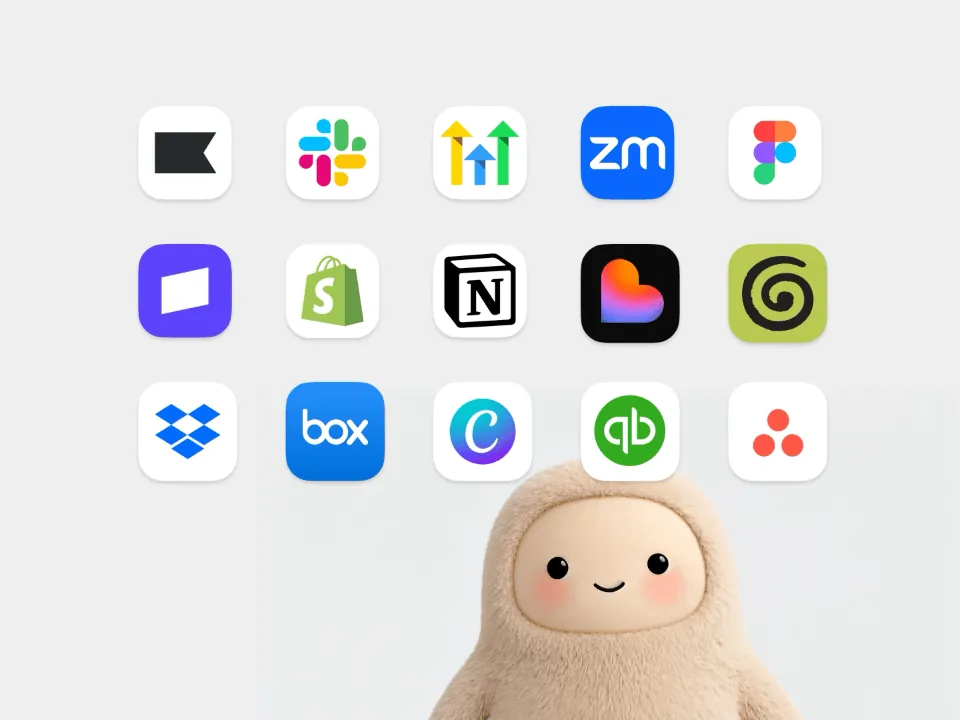
Muse launched for consumers in the US on September 8 as an agent that can browse, fill out forms and keep working in the background, according to Meta's Muse launch post. We looked at what it does with your data in our Meta Muse privacy explainer. TechCrunch reports that Muse for Small Business connects to tools like Shopify, Slack, Stripe, Notion, Intuit QuickBooks and Zoom, plus Meta ad accounts and Instagram analytics. It's free with usage limits, with paid plans for heavier use.
Meta Business Agent
Meta Business Agent answers customers, recommends products from a catalog, books appointments and closes sales inside WhatsApp, Messenger and Instagram. Meta said in June that more than one million businesses were already using it. Since August 1, Meta's WhatsApp pricing page charges US$2.00 per million tokens for its replies, which Meta estimates at about 4 to 5 cents per message.
Muse API and Muse Code
Meta's developer site sells model access as the Meta Model API. Its Muse Spark 1.3 page lists US$1.25 per million input tokens, US$0.15 cached and US$4.25 output, a 1 million token context window, and an OpenAI SDK compatible client, so existing tools can be pointed at it. Meta hasn't said whether "Muse API" is this product under a new name or something new; we're inferring they're the same family. Muse Code is Meta's coding agent for the terminal on macOS and Linux. It came out of beta on August 31 with three subscription options.
Who runs it: CJ Desai
Desai joins as Chief Enterprise Platform Officer, reporting directly to Zuckerberg. Meta's post says he was CEO and President of MongoDB, led product and engineering at Cloudflare, and spent nearly eight years at ServiceNow, including as President and COO.
He'd been MongoDB's CEO only since November 2025. CNBC reports that MongoDB shares fell more than 18% after the news, Meta's stock fell about 5%, and MongoDB named former CEO Dev Ittycheria interim president and CEO. Other outlets reported bigger intraday drops for MongoDB; the figure moved through the day.
How it positions Meta against OpenAI, Anthropic and Google
OpenAI, Anthropic and Google already sell models, agents and coding tools to companies, so Meta arrives in enterprise AI with products but without a track record of selling software to large IT departments. Its last big workplace product, Workplace, was discontinued in 2025 and closed in May 2026, VentureBeat notes. Hiring a CEO who ran enterprise software companies reads as Meta's answer to that gap. That's our reading; Meta didn't frame it that way.
What Meta does have is distribution. Muse passed ChatGPT as the top free iOS app, CNBC reports, and Business Agent already lives in apps small businesses use every day. The open questions for a larger company are the ones Meta hasn't answered yet: contracts, data controls, admin tools and pricing at scale.
What happens next
Meta gave no dates. Watch for three things: an enterprise price list, a clear answer on whether Muse API and Meta Model API are one product, and which products get the security and admin controls companies usually need before they sign. If you use AI agents at work, the small business version of Muse and Business Agent are the pieces you can try now.
Bottom line
Meta Enterprise Platform is mostly a new home for tools Meta already sells, plus a proven enterprise executive to run them. If you run a small business, Muse and Business Agent are available and have published pricing or free tiers. If you buy software for a large company, wait for Meta to publish enterprise terms before comparing it with OpenAI, Anthropic or Google.
FAQ
What is Meta Enterprise Platform?
It's a Meta business unit, announced September 28, 2026, that sells Meta's AI models and agents to businesses and developers. It starts with the Muse agent, Meta Business Agent, Muse API and Muse Code, according to Meta.
Who is CJ Desai?
CJ Desai is Meta's Chief Enterprise Platform Officer, reporting to Mark Zuckerberg. He was MongoDB's CEO from November 2025 until this move, and before that led product and engineering at Cloudflare and was President and COO at ServiceNow.
How much does Meta Enterprise Platform cost?
Meta hasn't published enterprise pricing. The individual products have public prices: Business Agent costs US$2.00 per million tokens on WhatsApp, Muse Spark 1.3 costs US$1.25 per million input tokens through Meta's API, and Muse for Small Business is free with usage limits, as of September 29, 2026.