Meta Connect 2026: $1,299 VR Glasses, new Ray-Bans and Muse
Meta Connect 2026 in one place: VR Glasses, Ray-Ban Meta Gen 3 and Audio prices and dates, the new VR games, what Muse now does and why broker stocks fell.
Source-based. Written from the documents, reporting and reviews linked in the text. Nothing here was tested hands-on by The Ruling Desk. How we work
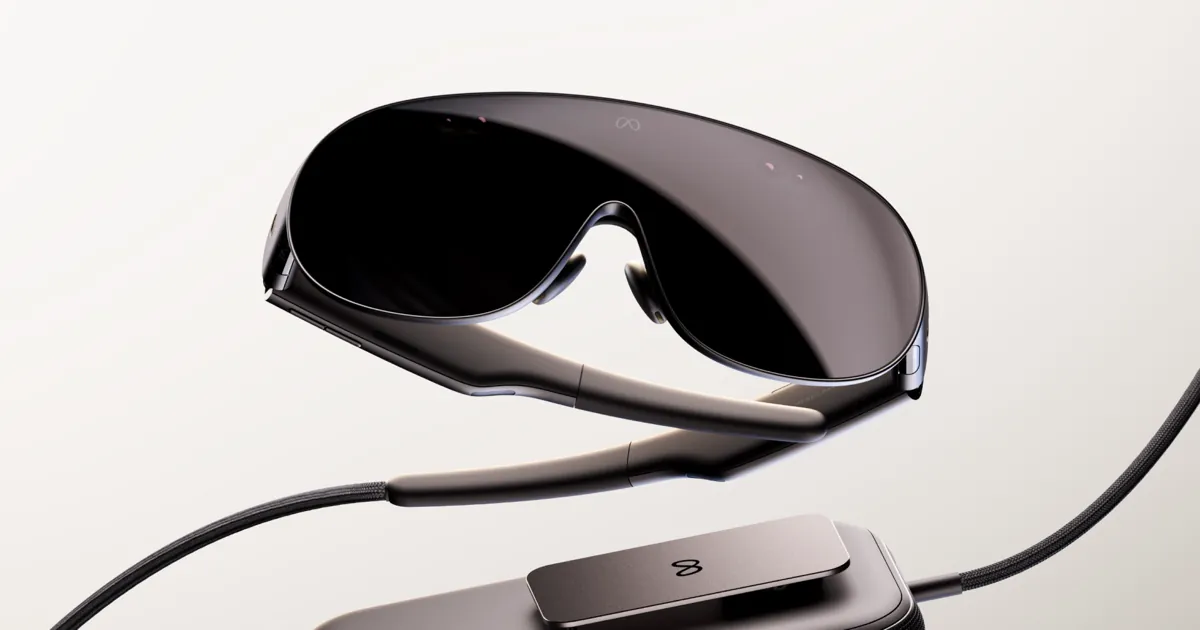
Meta Connect 2026 brought three new pairs of glasses and a bigger AI agent. On September 23, Meta announced the $1,299.99 Meta VR Glasses for spring 2027, Ray-Ban Meta Gen 3 from $449 on sale now, and the camera-free Ray-Ban Meta Audio from $349, shipping October 13. It also gave its Muse agent a video avatar, a Mac mode and a list of store partners.
Key takeaways
- Meta VR Glasses cost $1,299.99 and arrive in spring 2027. Meta says they weigh about 100 grams, with 5K micro-OLED displays and a tethered compute puck.
- Ray-Ban Meta Gen 3 is on sale now from $449, with a 12 MP camera, 3K video and up to 9 hours of battery, per Meta.
- Ray-Ban Meta Audio has no camera at all. It starts at $349, is up for pre-order now and ships October 13.
- Muse, Meta's personal AI agent, is coming to the glasses "in the coming months" and gets a real-time video avatar and shopping partners such as Walmart, Best Buy and Sephora.
- The stock market noticed Muse before the keynote: CNBC reported Schwab fell 6% and LPL 7% on September 22 on fears that AI agents could squeeze financial middlemen.
Meta Connect 2026 prices and release dates
All prices below are Meta's US prices in US dollars, as announced on September 23, 2026. Meta lists Mexico among the new markets for its AI glasses, but we found no Mexican prices for these models in its announcements.
| Product | Price | Availability | Who it's for |
|---|---|---|---|
| Meta VR Glasses | $1,299.99 | Spring 2027 | People who want movies, games and a private workspace without a heavy headset |
| Ray-Ban Meta Gen 3 | From $449 | On sale now | Camera glasses buyers upgrading from Gen 2 |
| Ray-Ban Meta Audio | From $349 | Pre-order now, ships October 13 | People who want AI and open-ear audio without a camera |
| Meta Adventurer | From $249 | Pre-order now, on sale October 23 | The cheapest way into Meta's glasses |
| Meta Ray-Ban Display | $799 in the US | On sale in the US, UK and Canada; October 13 in France, Italy and Germany | Buyers who want a screen in the lens |
| Muse Charm | Not announced | Holiday season, per Zuckerberg | People who want Muse without glasses or a phone |
Prices and dates for the glasses come from Meta's Ray-Ban Meta Audio announcement and its Connect 2026 recap. On Muse Charm, a keychain-sized device for talking to the agent, CNBC reports that Zuckerberg gave no price but said Meta plans to have it ready to ship in time for the holidays in December.
Meta VR Glasses: what $1,299.99 buys
The Meta VR Glasses are the headline product and the most expensive. According to Meta's VR Glasses announcement, they weigh about 100 grams on your face, use micro-OLED panels Meta calls a "5K Infinite Display", and track your eyes and hands so you don't need controllers for most things.
The trick that keeps them light is the puck. The processor, a Qualcomm Snapdragon Reality Elite, and the battery live in a separate unit on an optical tether that clips to a pocket or bag. Meta rates it at up to 3 hours of continuous media playback, with 45 W fast charging. Meta also calls them the first IMAX Enhanced certified VR device.
For comparison, CNBC notes these are Meta's first new VR device since the $299 Quest 3S in 2024. They cost more than four times as much, and so far only short hands-on demos exist.
Ray-Ban Meta Gen 3 and the camera-free Ray-Ban Meta Audio
Ray-Ban Meta Gen 3 is the direct upgrade to the camera glasses. Meta says it keeps a 12 MP camera, records 3K video, and lasts up to 9 hours, an hour more than Gen 2. It adds a six-microphone array that Meta says cuts more than 90% of background noise, a customizable action button, and new Aviator and Zena (cat-eye) frames next to the Wayfarer, in 27 color and lens combinations.

Ray-Ban Meta Audio goes the other way: no camera, just Meta AI and open-ear speakers for music, podcasts and calls. Meta puts it at 43 grams, with up to 12 hours of battery plus 48 more from the case. It comes in Clubmaster and Burbank frames, 23 color and lens combinations, and takes prescription lenses. If a camera on your face is the reason you skipped smart glasses, or the reason people around you object to them, this is the model built for you.
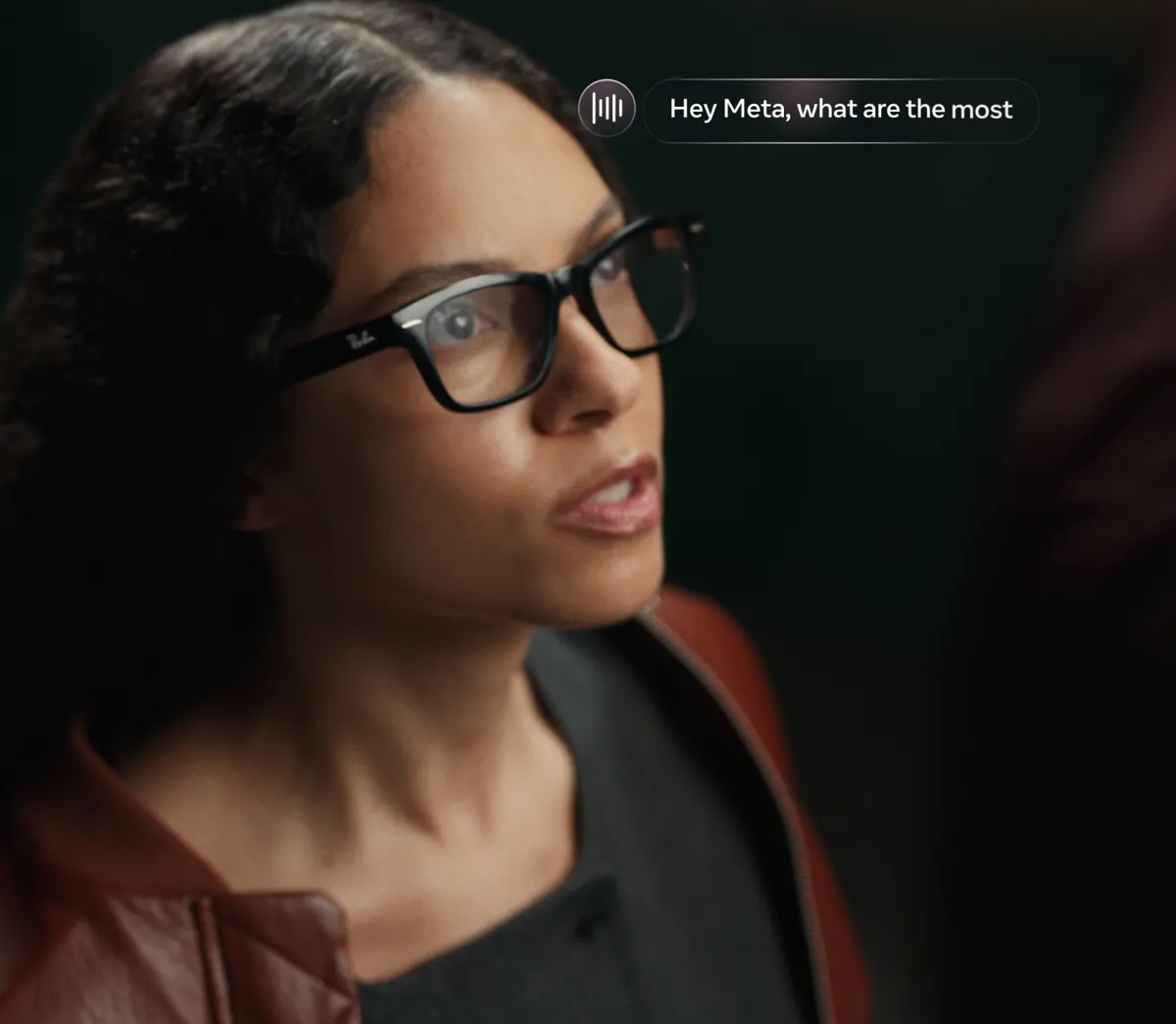
Meta also announced a hearing enhancement feature for its glasses. Its recap describes it as FDA-cleared software for $149.99, or included with a Meta One subscription, coming to the US later this year.
VR games announced at Meta Connect 2026
Meta's games roundup says every Quest game will be playable on the VR Glasses with Touch Plus controllers, and Meta's announcement counts more than 75 games built for hand tracking at launch. The biggest names:
- Beat Saber gets what Meta calls its biggest update ever in spring 2027, on the VR Glasses and Quest 3 and 3S. It adds hand tracking across the game and Flux, a new single-player mode where you slice notes with energy stretched between your palms. Engadget reports that Flux launches with 35 songs.
- Phoenix Wright: Ace Attorney, Dual Destinies VR comes to the VR Glasses and Quest 3 and 3S in 2027. You present evidence with your hands and object with your voice.
- Supernatural, the fitness app, returns to the Meta Horizon Store this fall, with day-one support on the VR Glasses.
- Tetris Effect: Mixed Realities arrives on the VR Glasses in 2027.
What Muse does after Connect
Muse is Meta's personal AI agent, an assistant that carries out tasks such as booking, shopping and filling in forms rather than only answering questions. It launched on September 8 in the US on iOS, Android and the web. Reuters, via Investing.com, reported on September 23 that it overtook ChatGPT as the top free app on the App Store and Google Play in the US and Canada, with 2.8 million downloads in its first two weeks according to Sensor Tower. That's the same ChatGPT that just got OpenAI's new GPT-6 models.
At Connect, Meta added, according to TechCrunch's rundown and Meta's recap:
- A video avatar. A new model, Muse Realtime Avatar, gives the agent a face, body and voice you can video chat with. Zuckerberg called the default character Jolly.
- Glasses support. You'll wake Muse by name on Meta's AI glasses to log meals, book appointments or buy something you're looking at, "in the coming months".
- Mac control. Meta's recap says computer use is now available in the Muse Mac app, so it can operate other apps with your permission; TechCrunch describes it as rolling out soon.
- Its own email address, coming soon, so you can copy Muse on a thread or forward it a task.
- Store and app partners: Walmart, Best Buy, Gap, Sephora, Ulta and Wayfair among retailers, Shop Pay and PayPal for payments, Instacart, Expedia (coming soon), and GitHub, Notion and Granola for work.
In the keynote, Zuckerberg said Muse stays "free for a huge number of tokens" and that Meta expects to "profit by taking a small fee from transactions." Agents that act for you are a fast-moving field; see how Claude agents found a new enzyme system for a very different use.
Why Muse knocked brokerage stocks
The sell-off came a day before the keynote. CNBC reports that on Tuesday, September 22, Schwab fell 6% and LPL Financial 7%, with Raymond James down 3.5% and Interactive Brokers 1%, while Robinhood rose. The fear, in CNBC's reporting, is that a free agent that compares options for you could erode the fees and customer inertia that brokers and advisers rely on.
CNBC also notes Muse itself says it won't trade for users or give financial advice. Meanwhile, Reuters reported Meta's shares up nearly 13% for the week as of September 23. Stock moves are a bet on the future, not proof Muse will replace anyone's adviser.
Bottom line
The short version of Meta Connect 2026: if you want smart glasses now, Ray-Ban Meta Gen 3 at $449 is the camera model, and Ray-Ban Meta Audio at $349 (shipping October 13) is the one to pick if you'd rather skip the camera. The $1,299.99 VR Glasses are a spring 2027 purchase, so wait for independent reviews of comfort and the 3-hour puck battery. For Muse, the features to watch are glasses support and the Mac mode, since Meta has only promised "the coming months" for the former. More gadget coverage lives in our gadgets section.
FAQ
How much do the Meta VR Glasses cost and when do they come out?
Meta lists them at $1,299.99 in the US, coming in spring 2027. It has not given an exact date or prices for other countries yet.
Do Ray-Ban Meta Audio glasses have a camera?
No. Ray-Ban Meta Audio is camera-free: it has Meta AI, microphones and open-ear speakers. It starts at $349 and ships October 13, per Meta.
Is Muse free?
Meta says Muse is free for most of what people need, with paid plans for heavier use, and Zuckerberg says Meta plans to earn a small fee on transactions it completes. It launched in the US on iOS, Android and the web, and as of September 24, Meta's Connect recap says it is available in the US, Canada and Mexico, with more markets coming soon.