Comma.ai NHTSA investigation: what owners need to know
The Comma.ai NHTSA investigation covers comma devices, openpilot and forks after five crashes into stopped or slow cars, two fatal. What it means for owners.
Source-based. Written from the documents, reporting and reviews linked in the text. Nothing here was tested hands-on by The Ruling Desk. How we work
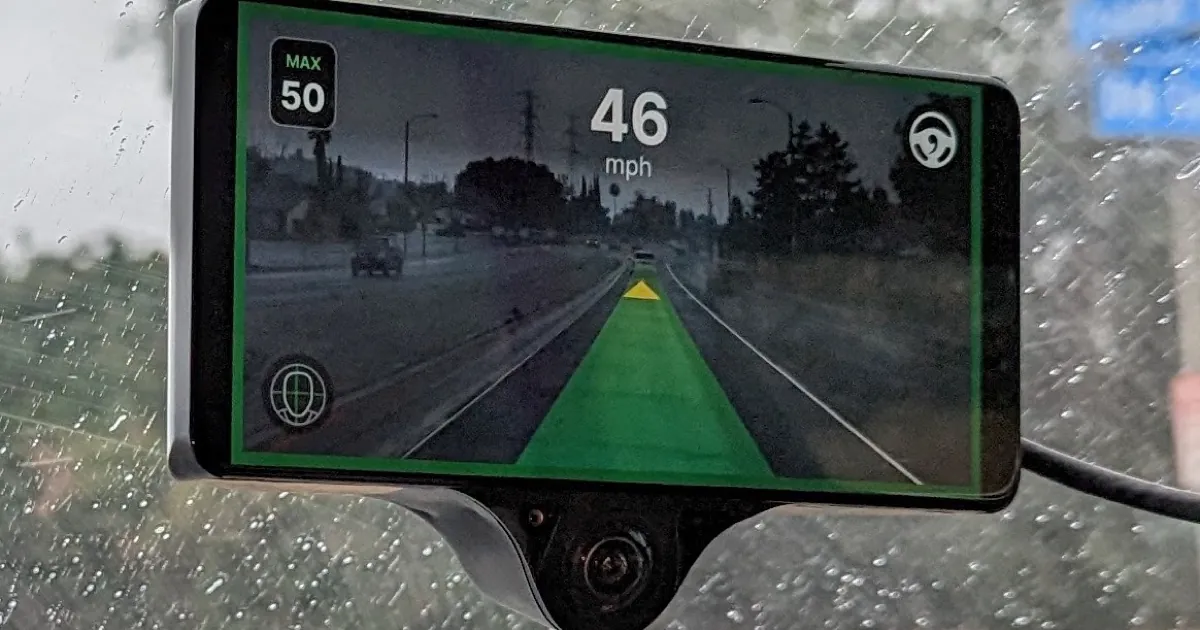
The Comma.ai NHTSA investigation is official: on September 21, 2026, the US National Highway Traffic Safety Administration opened a preliminary evaluation of comma's aftermarket driver-assist devices and its openpilot software. NHTSA says it knows of five crashes in which cars with a comma device installed struck stopped or slowly moving vehicles in their own lane, and two of those crashes killed three people. As of September 24, 2026, the probe is at its first stage, and no defect has been determined.
Key takeaways
- It's a preliminary evaluation, not a finding of fault. NHTSA's opening document, case PE26007, says preliminary data "suggests" the system "may not have adequately detected or responded" to vehicles ahead. Nothing has been proven, and no recall has been ordered as of September 24, 2026.
- NHTSA counts five crashes, two of them fatal (three deaths), plus non-fatal injuries to 11 other people in four of the crashes.
- The scope is the comma three, comma 3X and comma four devices and openpilot, about 30,000 units by NHTSA's estimate. Modified versions of openpilot, called forks, are covered when one is involved in a crash.
- Comma had not commented publicly as of September 24, 2026. TechCrunch reported it could not reach the company.
- If you own a comma device, nothing changes today, but openpilot's own documentation already warns that stopped cars in your lane can affect it.
What the Comma.ai NHTSA investigation covers
NHTSA's opening resume names comma.ai as the manufacturer and lists four products: the comma three, comma 3X and comma four devices, plus openpilot. It puts the affected population at an estimated 30,000. The problem, in the agency's words, is "crashes involving stopped or slow moving in-lane vehicles."
The comma devices mount on the windshield and plug into the car through a wire harness. Using their own cameras and the car's stock sensors, they run openpilot, which steers to keep the car centered in its lane and controls speed like an adaptive cruise control. NHTSA's document quotes comma's marketing: "hands free driving for the car you already have," setup "in 15 minutes," and software that "works on 325+ car models."
The investigation will gather data on whether the system was on during each crash and will evaluate "system performance and safeguards." NHTSA says it has confirmed the systems were powered on or engaged in "multiple" crashes, which is not the same as all five.
The five crashes and the FrogPilot fork
NHTSA doesn't describe the crashes one by one. It says the case was prompted by crash reports under its Standing General Order (the rule that makes companies report crashes involving driver-assist systems), a consumer complaint and outreach from police. What the five share is the scenario: a car with a comma device hits a stopped or slow vehicle ahead in the same lane.
One crash has been identified publicly. TechCrunch reports that a 2022 Toyota RAV4 running FrogPilot hit a stopped Gonzales police unit on Interstate 10 in Ascension Parish, Louisiana, in February 2026. Louisiana State Police said the RAV4 struck the rear of the unoccupied, marked Chevrolet Tahoe, which had its emergency lights on, on the night of February 1, and that two passengers died. In August, state police arrested the RAV4's driver on two counts of vehicular homicide while under the influence, WBRZ reported. That is an accusation, not a conviction, and it's one reason a single crash can't settle what the software did.
FrogPilot is not comma's software. Its GitHub page calls it a community "fork of openpilot" and warns it is "unofficial and highly experimental." NHTSA says that when a fork is involved in a crash, it will "consider the shared components between openpilot and the fork." That wording leaves open whether a problem in a fork could be traced back to comma's code.
Comma's response so far
Nothing yet. As of September 24, 2026, comma's blog had no post about the investigation, and TechCrunch said neither the company nor founder George Hotz responded before publication.
What comma has said, in writing, is in openpilot's limitations page. It lists "vehicles in the same lane that are not moving" among the conditions that can affect its adaptive cruise and forward collision warning, and says "it is the driver's responsibility to be in control of the vehicle at all times." NHTSA's document quotes a similar line from comma's website.
This isn't comma's first run-in with the agency. In 2016, after NHTSA sent the company a special order with questions about its planned Comma One, comma canceled the product.
What happens next: engineering analysis or recall
A preliminary evaluation is where NHTSA collects data and decides whether to dig deeper. It can close the case, or upgrade it to an engineering analysis, a longer study with more testing.
The closest precedent is Tesla's Autopilot. NHTSA opened a preliminary evaluation in August 2021 over crashes into stopped emergency vehicles and upgraded it to an engineering analysis in June 2022. In December 2023, Tesla filed a voluntary recall of 2,031,220 vehicles, an over-the-air update that added driver alerts and checks. That took more than two years. Comma's case is different: aftermarket hardware that owners install themselves, and open-source code that anyone can modify. It isn't clear yet how any fix would reach people running forks.
What comma owners should do now
- If you keep using it, treat it as a driver assist, not a driver. Eyes on the road, ready to brake. The investigation's whole subject is closing on stopped traffic, so be most alert near crash scenes, work zones and stop-and-go traffic.
- Know which software you run. A fork like FrogPilot is not the version comma ships, and its authors say so.
- Watch for updates on PE26007. Investigation documents are posted on nhtsa.gov, and any recall would be announced there.
- Report a problem. If your car failed to slow for a stopped vehicle, you can file a complaint with NHTSA; a complaint helped start this case.
For more coverage like this, see our tech section and the NHTSA tag.
Bottom line
The Comma.ai NHTSA investigation asks whether comma's devices and openpilot, including forks, handle stopped or slow cars ahead safely, after five crashes that killed three people. As of September 24, 2026, it's a preliminary evaluation: no defect found, no recall and no statement from comma. If you use one, supervise it the way its own documentation tells you to, and watch PE26007 for the next step.