Polymarket fake bets: how the influencer campaign worked
Polymarket fake bets were filmed on a lookalike site and spread by paid creators. What's proven, what's alleged and where the two lawsuits stand.
Source-based. Written from the documents, reporting and reviews linked in the text. Nothing here was tested hands-on by The Ruling Desk. How we work
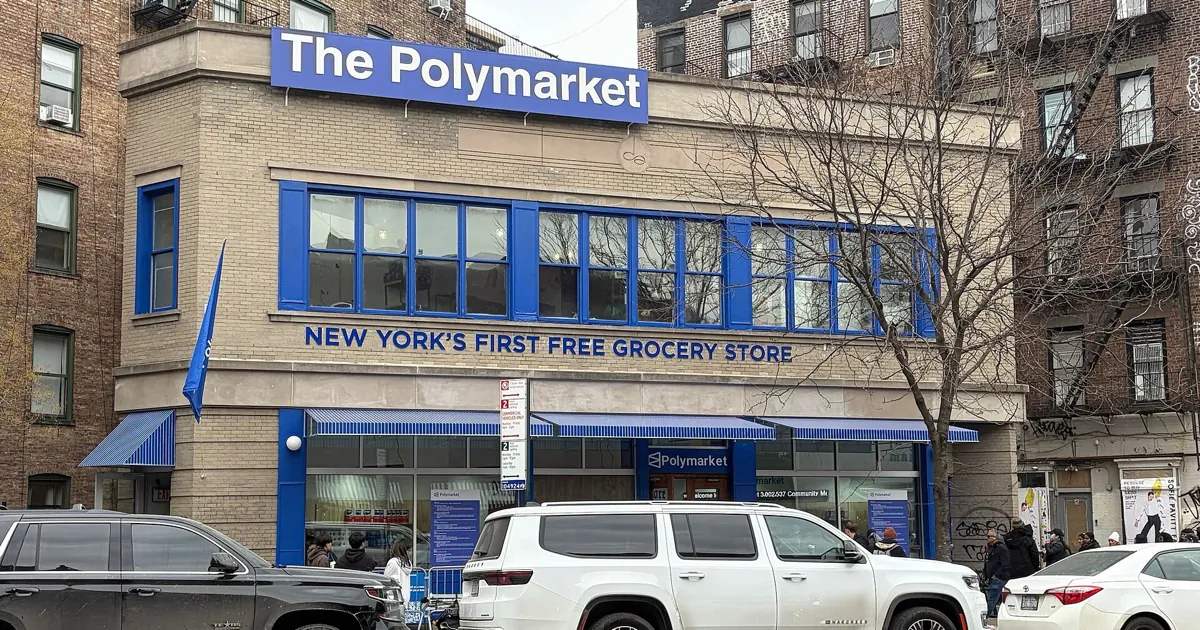
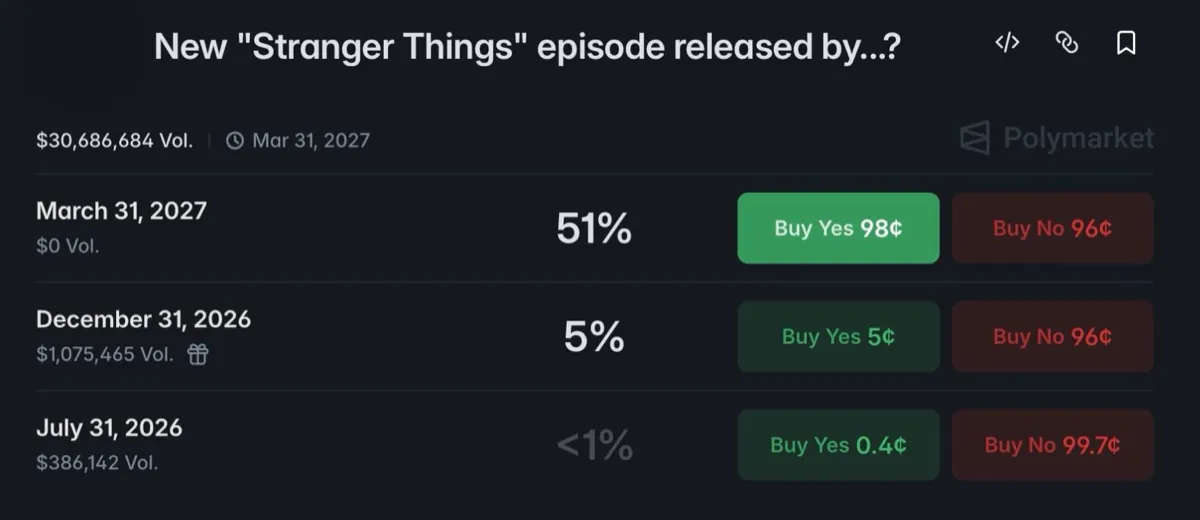
The Polymarket fake bets were real videos of trades that never happened. Between December 2025 and mid-May 2026, paid Polymarket influencers filmed themselves winning big on a copy of the Polymarket site, and none of the roughly $1.9 million in wagers they showed was placed on the actual exchange. A separate trail of payments to political commentators, a paid network that reposted the clips and two lawsuits followed. Here's how the campaign reportedly worked, and what is still an allegation.
Key takeaways
- A Wall Street Journal investigation published June 20 reviewed 1,105 videos by 10 creators. About 70% showed a bet, and the Journal found that none of those bets was real.
- In 118 of them, creators celebrated almost $900,000 in winnings. By the Journal's calculation, the same bets on the real markets would have lost more than $166,000.
- Creators told the Journal they were often paid $2,000 to $3,000 a month and told not to say so. A paid network of "clippers" pushed the videos past 140 million views, aimed at US viewers.
- A separate POLITICO investigation found Polymarket's chief marketing officer sending at least $350,000 from a personal PayPal account to creators who then posted about the platform without clear ad labels.
- Polymarket faces a consumer group's lawsuit filed in June and a proposed class action filed in July and moved to federal court in September. Both are allegations, and as of September 23, 2026 neither has a reported ruling. The CFTC is investigating, according to the Journal and one source who spoke to CNBC.
How the Polymarket fake bets were staged
The videos followed a simple format. A young creator opens what looks like Polymarket, reacts in disbelief ("bro, what?"), puts a four- or five-figure sum on an unlikely outcome and later celebrates a huge payout, often with confetti bursting from the trade button.
One January clip showed a $100,000 win on a bet that Donald Trump would say "McDonald's" that month. According to Wall Street Journal reporters, the footage of Trump saying it was two months old, and he never said the word publicly in January. On the real Polymarket, public data shows more than 50 accounts made that bet in January, and all of them lost.
The Journal reports that Polymarket built near-perfect copies of its site and told creators to make simulated trades on them; it spotted more than a dozen differences between the real site and the copies in the videos. One copy, which a person familiar with the matter told the Journal Polymarket built, sat at poiymarket.com: capitalize the "i" and the address looks exactly like the real one. A few videos also showed addresses of test sites for Polymarket engineers. The copies took fake deposits, showed confirmations and played the celebration effects, all without a cent reaching a real market.
The numbers behind the staged wins
The Journal's investigation, published June 20, reviewed 1,105 videos from 10 creators. Here's what it found:
| What the videos showed | The number |
|---|---|
| Videos reviewed | 1,105, from 10 creators |
| Videos showing a bet | About 70% |
| Total amount wagered on screen | About $1.9 million |
| Real bets among them | None |
| Videos celebrating a win | 118 |
| Winnings shown in those 118 | Almost $900,000 |
| Result of the same bets on the real markets | A loss of more than $166,000 |
Those 118 fake winning bets are the heart of the story, and the last line of the table needs care. It's the Journal's calculation from public trading data: at least 69 of the 118 "wins" would have lost if placed for real. It doesn't mean viewers copied those bets or lost that exact amount. It does show that the videos inverted the outcome, not just the stakes.
Creators told the Journal their pay often added up to $2,000 to $3,000 a month and that the company told them not to disclose it. Some added "@polymarket partner" to their profiles only after the Journal started asking questions.
A training video for fake trades
In July, Semafor reported on an internal tutorial titled "Getting Started with Fakecharts: Setup and Deposits." In it, a Polymarket marketing employee reportedly showed creators how to deposit fake money and place a mock $1,000 trade, in this case on whether Trump would acquire Greenland before 2027. The videos were reportedly shared with dozens of creators through a Discord account the company used to coordinate them, along with lists of words to avoid, such as "betting" and "gambling." We haven't seen the tutorial ourselves.
Clippers made the ads look like a trend
Staging a win is one step. Making it look like everyone is talking about it is another. According to the Journal, a marketing firm called Virality ran a network of "clippers": people who cut the creators' videos into short clips and posted them from accounts built to look independent.
The instructions quoted in a consumer group's June lawsuit are blunt. "Content must feel natural and native to the platform," one says. "Do NOT make the videos feel like ads or promotions," says another. A Virality employee told clippers in a group chat to keep "Polymarket" and even the prefix "poly" out of their account names, the Journal reported. The complaint also shows one campaign on the Whop marketplace that paid $1 per 1,000 views, and only if the clipper could prove that at least 60% of the audience was in the US ("we want Only USA").
It worked on reach. The clips passed 140 million views across TikTok, YouTube and Instagram, by the count of Tubular, the analytics firm the Journal used. That's views, not unique people, and not sign-ups or losses. Whether the campaign actually brought in US traders hasn't been measured publicly.
A second money trail: political creators
A separate POLITICO investigation, published June 5, followed different money. It found that Polymarket's chief marketing officer, Matthew Modabber, used a personal PayPal account to send more than $2.5 million to more than 800 recipients between January 2025 and February 2026. At least $350,000 of that went to content creators who could be identified.
At least 20 of those creators promoted Polymarket after the payments began, in at least 490 posts on X without a clear paid-partnership label. About a third of those posts presented Polymarket odds as "BREAKING" or "NEW," the way a news account would. One creator said the company supplied text and pushed for posts on particular markets at particular times. A Polymarket spokesperson told POLITICO that the company routinely works with a wide range of independent partners and content creators.
Keep the two stories apart. The $2.5 million is everything that account sent, not a proven budget for hidden ads, and a payment before a post doesn't prove every post was bought. The political creators and the fake-bet creators are also not shown to be the same people. What links them is the pattern: paid promotion that didn't look paid.
The Polymarket lawsuits and the CFTC investigation
The US rules on influencer ads are clear in principle. The FTC's guide for influencers tells them to "disclose when you have any financial, employment, personal, or family relationship with a brand." It warns that disclosures are likely to be missed "anywhere that requires a person to click MORE," and that in a video "the disclosure should be in the video and not just in the description." Whether any specific post broke those rules is for an enforcement action or a court to decide.
Here's where things stand as of September 23, 2026:
- June 26: the National Association of Consumer Advocates sued in D.C. Superior Court (case 2026-CAB-004388). It names Polymarket's companies, including Polymarket US, plus CEO Shayne Coplan and Modabber, and alleges fake-bet videos, hidden paid endorsements, clipping and marketing aimed at college-age consumers.
- June 26: The Wall Street Journal reported, and CNBC confirmed with a person familiar with the inquiry, that the CFTC, which regulates prediction markets, is running an extensive, ongoing investigation of Polymarket. When it began wasn't disclosed. Both the agency and the company declined to comment.
- June 26: the same day, the Journal reported a letter in which Senators Adam Schiff and John Curtis asked CFTC chairman Michael Selig whether the agency was investigating, and whether a prediction market may use simulated trades or fake websites in its ads. They asked for answers by July 10.
- July 2 and September 2: a D.C. resident brought a proposed class action, Moeller v. Blockratize, in D.C. Superior Court (the complaint is dated July 2), on behalf of D.C. residents who signed up for and funded Polymarket accounts. On September 2 the case was moved to federal court in Washington, D.C. (case 1:26-cv-03083). It makes one claim: that the staged-trade marketing broke D.C.'s consumer protection law.
As of September 23, 2026, we found no reported ruling in either lawsuit.
Polymarket's public answer has been one statement, repeated to several outlets, that it is "conducting a comprehensive audit of active promotional content," as it told Semafor. No results of that audit have been published.
Why the US audience matters
In January 2022, the CFTC fined Polymarket $1.4 million for running an unregistered event-betting platform and ordered it to wind down the markets that broke the rules. Polymarket.com then blocked US users. Later, Polymarket bought QCX, a CFTC-registered exchange, as the June complaint recounts, and since December it has served Americans through a separate, regulated app called Polymarket US. So "Polymarket is banned in the US" is no longer accurate, but the offshore site the clippers promoted still isn't offered to Americans. The Journal notes that US users can still reach it with a VPN.
What's proven and what isn't
It helps to sort the story into what's documented and what's still an allegation:
- Documented in the Journal's video analysis: the videos showed bets that weren't placed on the real exchange, the replica domains existed, and the creators weren't clearly labeled as paid.
- Reported, not independently confirmed by us: that Polymarket itself built the fake sites, and the internal training video.
- Alleged in court: that the marketing was deceptive and unfair under D.C. law. As of September 23, 2026, no judge has ruled.
- Not shown: how many viewers signed up, traded or lost money because of the clips.
- Not claimed: that real customer trades, balances or payouts on Polymarket were faked. The fake site was for filming ads.
What it means for you
If a prediction-market clip shows up in your feed, treat it as an ad until it proves otherwise. Three habits help:
- Look for the label in the video itself. Under FTC guidance, a disclosure in a bio or behind a "more" link isn't enough.
- Don't read a win as evidence. A screen recording of a trade proves nothing. The Journal caught these fakes through small differences from the real site, and checked the outcomes against Polymarket's public trading data.
- Remember who usually wins. A study cited in the June lawsuit found that about 69% of Polymarket users ended up with a loss, while the top 1% captured 76.5% of the profits.
The same goes for a political account posting odds as "BREAKING" news. It may be sincere. It may also be paid. At The Ruling Desk, we don't take money for coverage; our editorial policy explains how we work.
Bottom line
The Polymarket fake bets story is about advertising, not market rigging. On the evidence reported so far by the Journal, Semafor and POLITICO, creators filmed wins that never happened, clippers made paid clips look organic and political posters promoted the platform without clear labels. That Polymarket's marketing broke the law is still an allegation: as of September 23, 2026, neither lawsuit has a reported ruling. The courts and the CFTC will decide what that costs Polymarket. For you, the lesson is already clear: a viral winning trade isn't a trade, and odds from a paid account aren't news. We'll follow the lawsuits in our tech coverage.
Updated September 23, 2026: four details about the lawsuits, the senators' letter and how the Journal spotted the fake bets are fixed, as listed on the Corrections page.
FAQ
Did Polymarket fake bets in influencer videos?
The Wall Street Journal found that the bets in the videos it reviewed were not real: none of the wagers shown across the 1,105 videos examined reached Polymarket's exchange, because they were placed on replica sites. The Journal reports that Polymarket built those sites, and an internal tutorial described by Semafor shows an employee demonstrating fake deposits. Polymarket hasn't publicly addressed those claims point by point; it has said it is auditing its promotional content. Two lawsuits make the same allegations, and neither has a reported ruling as of September 23, 2026.
Is Polymarket legal in the US?
Yes, in its regulated form. After a 2022 CFTC order, Polymarket.com blocked US users. Americans can now use Polymarket US, a separate app that runs on QCX, a CFTC-registered exchange Polymarket bought.
Is Polymarket being sued over the influencer campaign?
Yes, twice. The National Association of Consumer Advocates sued in D.C. Superior Court on June 26, 2026. A D.C. resident's proposed class action, with a complaint dated July 2, was moved to federal court in Washington, D.C., on September 2. Both are allegations; as of September 23, 2026, neither has a reported ruling.
Is the CFTC investigating Polymarket?
The Wall Street Journal reported on June 26, 2026, and CNBC confirmed with one person familiar with the inquiry, that the CFTC is conducting an extensive investigation of Polymarket. The agency and the company declined to comment. Two senators also asked the CFTC in writing whether simulated trades in ads are allowed.