Super Intelligence Force: who's on it and what it can do
Trump's Super Intelligence Force puts DNI Jay Clayton in charge of US AI policy. Who sits on it, what it can and can't do, and why Musk wants SpaceXSI.
Source-based. Written from the documents, reporting and reviews linked in the text. Nothing here was tested hands-on by The Ruling Desk. How we work
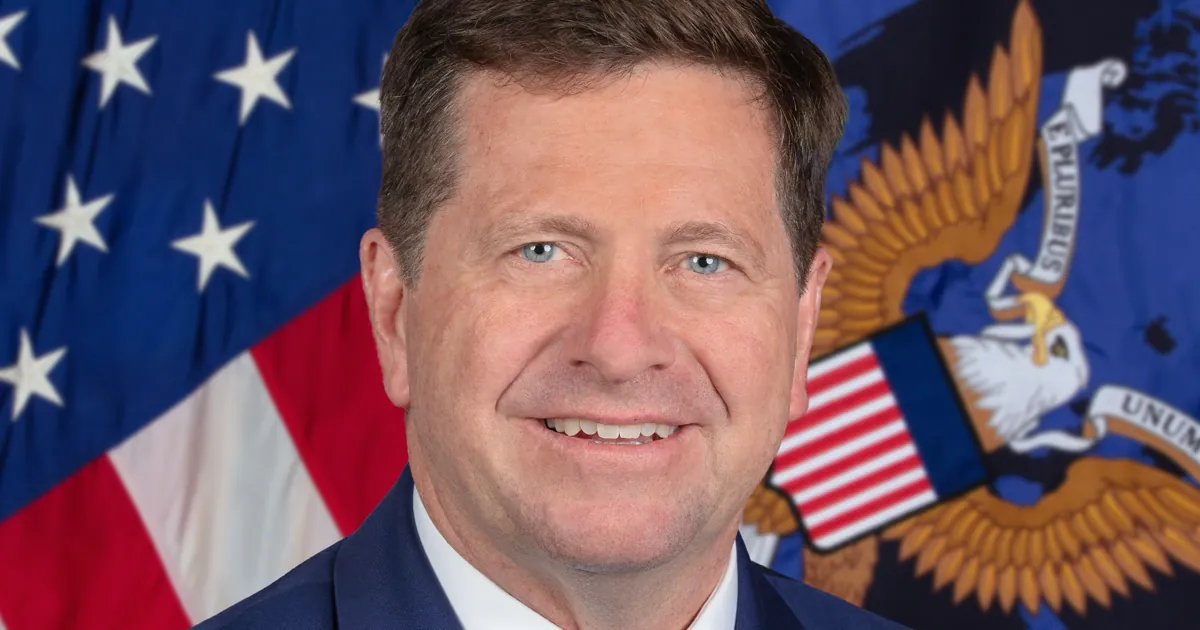
President Trump created a Super Intelligence Force on Sunday, October 4, 2026, and put Director of National Intelligence Jay Clayton in charge of it, the role several outlets now describe as the administration's AI czar. Trump announced the group in a Truth Social post, five days after AI leaders signed a voluntary safety accord at the White House. Here is who sits on the Super Intelligence Force, what it is set up to do, what it cannot do, and why Elon Musk now says SpaceXAI will become SpaceXSI.
Key takeaways
- Clayton chairs it: the Director of National Intelligence leads the task force, with FTC Chairman Andrew Ferguson, Pentagon technology chief Emil Michael and OPM Director Scott Kupor as vice chairs, per CBS News and SiliconANGLE.
- It reports to the White House: the group answers to Trump and Chief of Staff Susie Wiles, CBS News and NBC News report.
- A 120-day report, per one paper's account: The Wall Street Journal reports its charter gives it 120 days to assess AI's risks and opportunities. No charter has been published on whitehouse.gov as of October 5, 2026.
- No new legal powers announced: it was created by a social media post, not a law, and its recommendations are about what agencies can do with powers they already hold, per the Journal's account.
- "SI" keeps spreading: Musk said on X that SpaceXAI will be renamed SpaceXSI, with no date given.
Who sits on the Super Intelligence Force
Trump's post names four officials, as reported by CBS News:
| Role | Who | Day job |
|---|---|---|
| Chair | Jay Clayton | Director of National Intelligence, former SEC chairman |
| Vice chair | Andrew Ferguson | Chairman of the Federal Trade Commission |
| Vice chair | Emil Michael | Pentagon under secretary for research and engineering and chief technology officer |
| Vice chair | Scott Kupor | Director of the Office of Personnel Management |
SiliconANGLE adds that Vice President JD Vance, Defense Secretary Pete Hegseth and Treasury Secretary Scott Bessent will take part, and that former Secretary of State Condoleezza Rice and David Sacks, the administration's former AI czar, will advise it. Ferguson's seat stands out: his agency is already running a consumer-protection probe into OpenAI and Anthropic, two of the companies the Force is meant to work with.
What the AI task force is set up to do
In Trump's words, quoted by ABC News, the Force will "coordinate the effort of the Federal Government to ensure that America continues to lead the World in Super Intelligence." It will also handle the government's "engagement with Consumers, Public Interest Groups, Religious Organizations, Critical Infrastructure Providers, and Super Intelligence Companies."
The more specific mandate comes from a charter that The Wall Street Journal reported on and SiliconANGLE summarized. It gives the group 120 days to report on AI's risks and opportunities and on how the government handles disclosure of security breaches. The charter, as quoted by Dataconomy, tells the Force to "develop plans for responding to SI-enabled threats to our society, while preventing overregulation and regulatory capture that would stifle innovation and competition." We could not read that charter ourselves, and no executive order creating the Force appears on whitehouse.gov as of October 5, 2026.
Clayton has signaled where he stands. "The risk of not being first is high," he said, per ABC News, adding, "I expect there will be mechanisms developed in dialogue."
What it can't do
As announced, the Super Intelligence Force is a coordinating group, not a regulator:
- No law behind it. It was set up by a post on Truth Social. Congress has not created it, and we found no executive order for it.
- No new rule-making power. Per the Journal's account in SiliconANGLE, its recommendations cover how agencies can respond better under authority they already have.
- No power over the accord. The four layers of controls and audits that OpenAI, Anthropic, Google, Meta, Nvidia and Musk's company signed up to on September 29 remain voluntary. We explain that pledge in what the White House AI accord says and why it isn't law.
Trump has made clear he prefers it that way. He said he was seeing "tremendous self-policing," CBS News reports, and NBC News notes that he has said he will not impose government regulation on the industry.
From AI to SI: SpaceXSI and the .si rush
The Force's name follows the September 29 executive order telling agencies to say "Super Intelligence" instead of "AI." Musk is taking it further. Asked on X whether SpaceXAI, the AI business SpaceX formed from xAI, would become SpaceXSI, he replied, "Yes, we will make that change," and added, "No more AI. SI, it's better," Fox Business reports. He gave no date and did not say whether it is a legal name change or only branding.
The renaming may be showing up elsewhere. Registrations of Slovenia's .si domain rose 2,199% in September, a Registry SI spokesperson told the BBC, as cited by TechCrunch. The registry itself said it was "cautious about linking the boost only to President Trump," and Hostinger told TechCrunch only about 3% of its new .si names were clearly AI-related.
Bottom line
The Super Intelligence Force gives US AI policy a named leader in Jay Clayton and a seat at the table for the FTC, the Pentagon and the federal workforce office. On what is public so far, it can coordinate and recommend, not regulate, and its first test is the 120-day report the Journal describes, due around early February 2027 if the clock started October 4. If you use ChatGPT, Claude or Gemini, nothing changes yet. Watch for a published charter, whether the report proposes binding rules or keeps leaning on the September 29 accord, and whether SpaceXSI turns from a reply on X into an actual name.
FAQ
Who leads the Super Intelligence Force?
Jay Clayton, the Director of National Intelligence, chairs it. FTC Chairman Andrew Ferguson, Pentagon technology chief Emil Michael and OPM Director Scott Kupor are vice chairs, according to CBS News and SiliconANGLE.
Does the Super Intelligence Force have regulatory power?
Not as announced. It was created by a Truth Social post rather than a law, and its charter, as described by The Wall Street Journal, focuses on recommendations under agencies' existing powers. No executive order for it had been published as of October 5, 2026.
Is SpaceXAI changing its name to SpaceXSI?
Elon Musk said on X that it will, but gave no date. As of October 5, 2026, he had not said whether it is a legal name change or only a rebrand.