Nvidia chip smuggling case: what the $300M charges allege
A California server seller is charged in a $300 million Nvidia chip smuggling case. How prosecutors say it beat export checks, the penalties, what's unproven.
Source-based. Written from the documents, reporting and reviews linked in the text. Nothing here was tested hands-on by The Ruling Desk. How we work
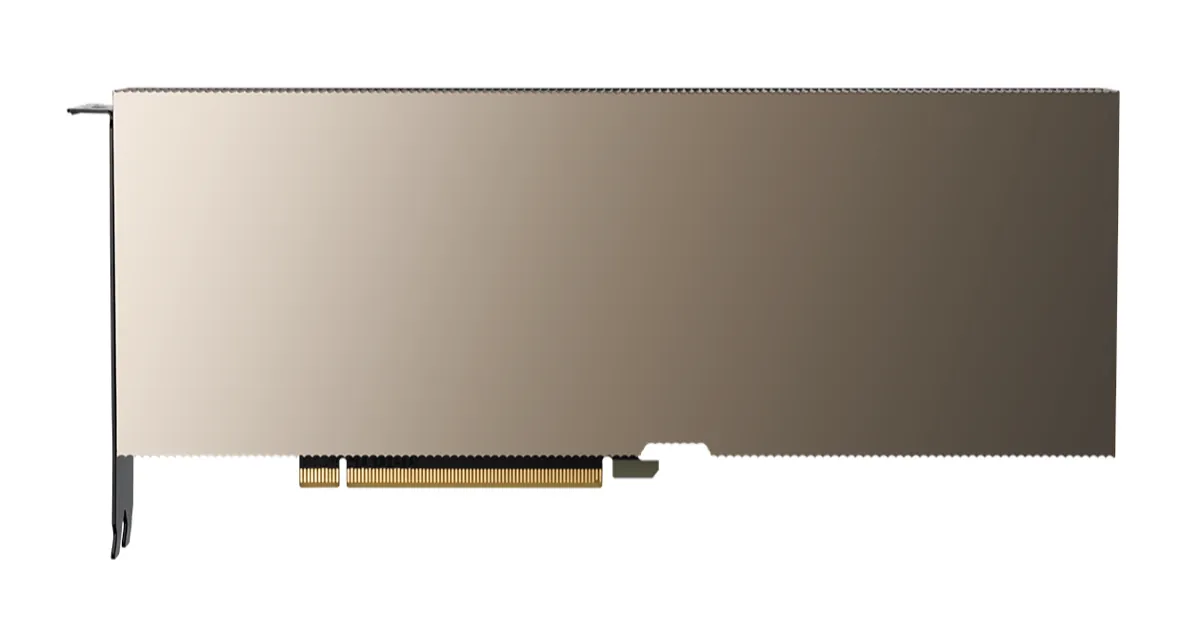
A California man has been charged in an Nvidia chip smuggling case that federal prosecutors value at more than $300 million. Greg Lui, 38, owner of Earthmade Computer Inc. in City of Industry, was arrested on October 1, 2026, accused of buying export-controlled AI servers in the US and routing them through Malaysia and Singapore to buyers in China. The charges are confirmed; the conduct is alleged, and Lui is presumed innocent unless proven guilty in court.
Key takeaways
- Three counts, in an indictment returned September 29: conspiracy to violate export controls, outbound smuggling, and conspiracy to commit money laundering, according to the Justice Department.
- The alleged method was false paperwork plus a stopover. Prosecutors say false documents told US manufacturers the servers were going to buyers and countries that needed no export license.
- Statutory maximums of 20, 10 and 20 years. Those are ceilings set by Congress; any sentence would be set by a judge only after a conviction.
- Nothing is proven yet. An indictment is an accusation, and as of October 2 the court docket showed no lawyer for Lui, Bloomberg reported.
The case against Lui
The Justice Department's announcement says that from 2023 to 2024, Lui and unnamed co-conspirators used Earthmade to buy high-end servers containing US-made GPUs (graphics processing units, the chips that train and run AI models) and send them to China without the license the Commerce Department requires. The department's release doesn't name the chipmaker. Bloomberg's report, republished by Transport Topics, identifies the chips as Nvidia's, and The Register lists the A100, H100, GeForce RTX 4090 and RTX 5090 among the models in the court papers.
The money trail is the other half of the case. From January to October 2024, Earthmade received more than $176 million from two Malaysia-based shipment companies as part of the scheme, prosecutors say. Bloomberg reports the charging papers say the conspiracy continued until at least mid-August of this year.
An FBI official went further than the indictment summary, saying in the release that Lui "allegedly sold the Chinese government" hundreds of millions of dollars' worth of the technology. That is the bureau's characterization; the indictment as described refers to buyers in China.
How the alleged Nvidia chip smuggling scheme worked
As prosecutors describe it, the scheme rested less on hiding cargo than on a gap in the rules and on false answers to the questions sellers ask:
- Order in the US. Earthmade placed purchase orders with US manufacturers, which the release doesn't name.
- Claim a legal destination. Lui and his co-conspirators gave the manufacturers documents saying the servers were going to end users and countries that didn't need a license, the department says.
- Ship to a third country. Freight forwarders sent the servers to places like Malaysia and Singapore, where the department says no license was required.
- Re-export to China. Once there, co-conspirators reshipped them to Chinese buyers.
One example in the release shows the paperwork itself flagged the restriction. In January 2024, Lui allegedly emailed a co-conspirator about a Malaysian company that wanted 70 servers, attaching an export compliance form in which that company acknowledged US rules restricting their transshipment. Later that month he ordered 27 of them for about $7,614,000, and they were shipped from Los Angeles to Kuala Lumpur with a packing list stating they couldn't go to China without a license. Bloomberg says those 27 servers held Nvidia H100 GPUs. In March 2024, a co-conspirator told a Malaysian government official by email that the 27 servers had been transshipped to a China-based buyer, prosecutors say.
Earthmade had a public profile in the AI hardware trade. A 2024 press release from Alset Capital, announcing a hardware supply deal, described it as an authorized distributor of Super Micro Computer. Prosecutors have not said which manufacturer sold the servers in this case.
The penalties Lui faces
If convicted on all counts, the Justice Department lists these maximums:
| Charge | Maximum prison term |
|---|---|
| Conspiracy to violate the Export Control Reform Act and Export Administration Regulations | 20 years |
| Outbound smuggling | 10 years |
| Conspiracy to commit money laundering | 20 years |
Prosecutors asked the court to hold Lui without bail, arguing in a filing that there is a "serious risk" he would flee, according to Bloomberg. The release also says a federal prosecutor is handling the forfeiture of seized property. The case is USA v. Lui, 26-cr-00618, in the Central District of California.
Why it matters for export controls
The case follows a larger one from earlier this year. In March, the department charged three people, including Super Micro co-founder Yih-Shyan "Wally" Liaw, with diverting servers through a Southeast Asian company that bought about $2.5 billion worth of them in 2024 and 2025. That indictment alleges the defendants staged thousands of non-working "dummy" servers to fool the manufacturer's auditors and later a Commerce Department inspection. Liaw has pleaded not guilty, Bloomberg reports, and the charges there are allegations too.
Both Nvidia chip smuggling cases point at the same weak spot: export rules depend on what buyers say about where hardware ends up, and transit hubs near China make that easy to fake. That has put pressure on Nvidia itself. Bloomberg reported that officials and critics question whether the company does enough due diligence, and Engadget's summary quotes a former State Department AI policy head saying he never got a straight answer about why so many chips went to Southeast Asia. Nvidia has not been accused of helping smugglers. A spokesperson told Engadget that a startup's growth plan in a friendly nation "is an opportunity for America, not a 'red flag' to be feared," and the company told Bloomberg that "smuggling is a losing proposition" and that its work with law enforcement has led to prosecutions.
For more on the company, see our Nvidia coverage and the rest of the tech section.
What happens next
Lui was due to make his initial appearance and be arraigned on the afternoon of October 1, the department said. How he pleaded and whether the judge granted detention weren't public in the reports we reviewed as of October 3. The co-conspirators remain unnamed, and the investigation involves the Commerce Department's Office of Export Enforcement, the Defense Criminal Investigative Service and the FBI.
Bottom line
Prosecutors allege a California server seller moved more than $300 million in Nvidia-based AI servers to China with false paperwork and a stopover in Malaysia or Singapore. None of it is proven, and Lui is presumed innocent. Watch for the detention ruling, his plea, and whether the unnamed co-conspirators or the manufacturer are identified, since that will show how much of the case rests on what sellers were told versus what they knew.
FAQ
Who is Greg Lui?
He's a 38-year-old resident of San Gabriel, California, also known as Yiu Kong Lui, who owns Earthmade Computer Inc. in City of Industry, according to the Justice Department. He was arrested on October 1, 2026, and is presumed innocent.
Which Nvidia chips were involved?
The Justice Department's release only says US-made GPUs. Bloomberg says one order of 27 servers contained Nvidia H100s, and The Register lists the A100, H100, RTX 4090 and RTX 5090 among the models in the court papers.
Why ship through Malaysia and Singapore?
US rules required a Commerce Department license to send these servers to China, but, according to the department, not to Malaysia or Singapore. Prosecutors say the servers were shipped there legally on paper and then re-exported to China.