Anthropic supply chain risk ruling: what the 2-1 vote means
An appeals court upheld the Anthropic supply chain risk label 2-1. What it means for Claude users and defense contractors, the California ruling and next steps.
Source-based. Written from the documents, reporting and reviews linked in the text. Nothing here was tested hands-on by The Ruling Desk. How we work
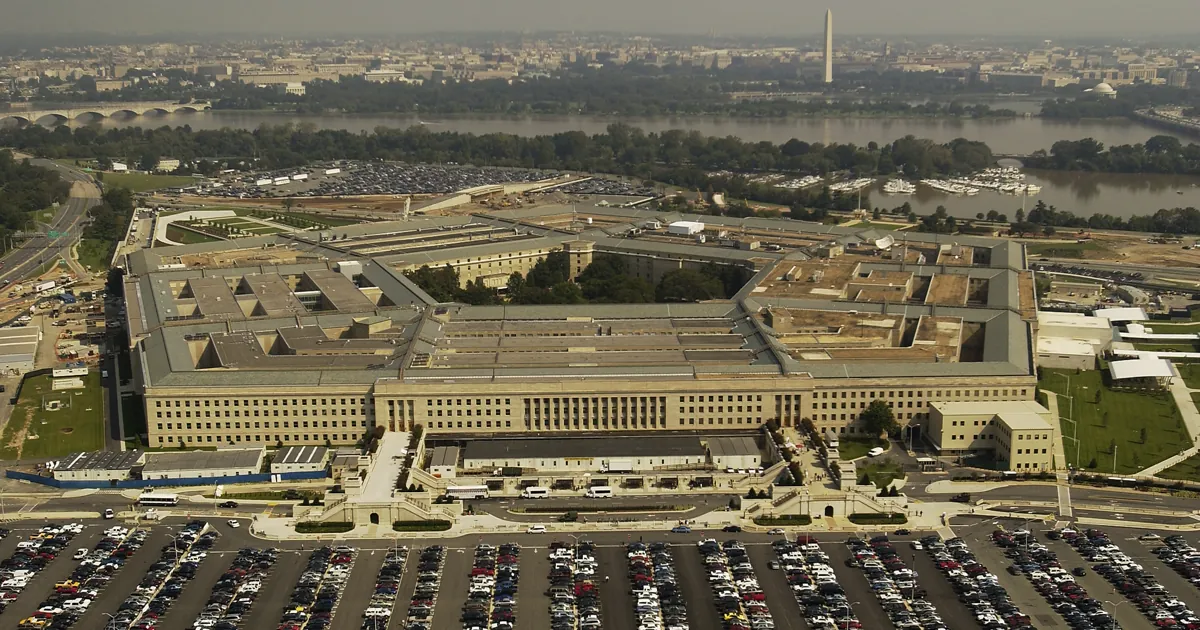
A federal appeals court upheld the Pentagon's decision to treat Anthropic as a supply chain risk on September 25, 2026, rejecting the company's statutory, due-process and First Amendment challenges in a 2-1 vote. The Anthropic supply chain risk label, which keeps Claude out of Defense Department systems and out of contractors' work for the department, stays in place while Anthropic weighs a rehearing or the Supreme Court.
Key takeaways
- The vote was 2-1. Judge Gregory Katsas wrote the D.C. Circuit's opinion, joined by Judge Neomi Rao. Judge Karen LeCraft Henderson dissented.
- The ruling covers the Defense Department's supply chain. The opinion doesn't address Claude use by businesses or consumers outside defense work.
- A federal judge in California set aside a separate designation under a different statute on August 27. Anthropic says that court "already held the government's parallel designation unlawful"; the majority says the two laws define the risk differently.
- Anthropic says it is "considering all options, including further review." Under the appellate rules, that means rehearing (a 45-day window, since the government is a party) or a Supreme Court petition.
What the court decided
The case was a petition for review, filed directly in the D.C. Circuit because the law behind the designation sends challenges there. The majority held that the Defense Department, which now calls itself the Department of War, had "ample support" for concluding that keeping Claude in its systems, or its contractors' systems, posed a national-security risk under the Federal Acquisition Supply Chain Security Act.
The record traces a dispute over contract terms. According to the opinion, the department asked Anthropic in late 2025 to allow "all lawful uses" of Claude. Anthropic loosened other limits but kept two: no "lethal autonomous warfare" and no "mass surveillance of Americans." After Anthropic refused a February 27 deadline, President Trump and Defense Secretary Pete Hegseth denounced the company on social media, and Hegseth signed the formal determination on March 3, 2026.
On March 6, the department's chief information officer ordered Anthropic products removed from its systems within 180 days and barred contractors from using them in their work for the department, the opinion says. The D.C. Circuit refused to pause the designation in April, so it has applied throughout the case.
Why the majority sided with the Pentagon
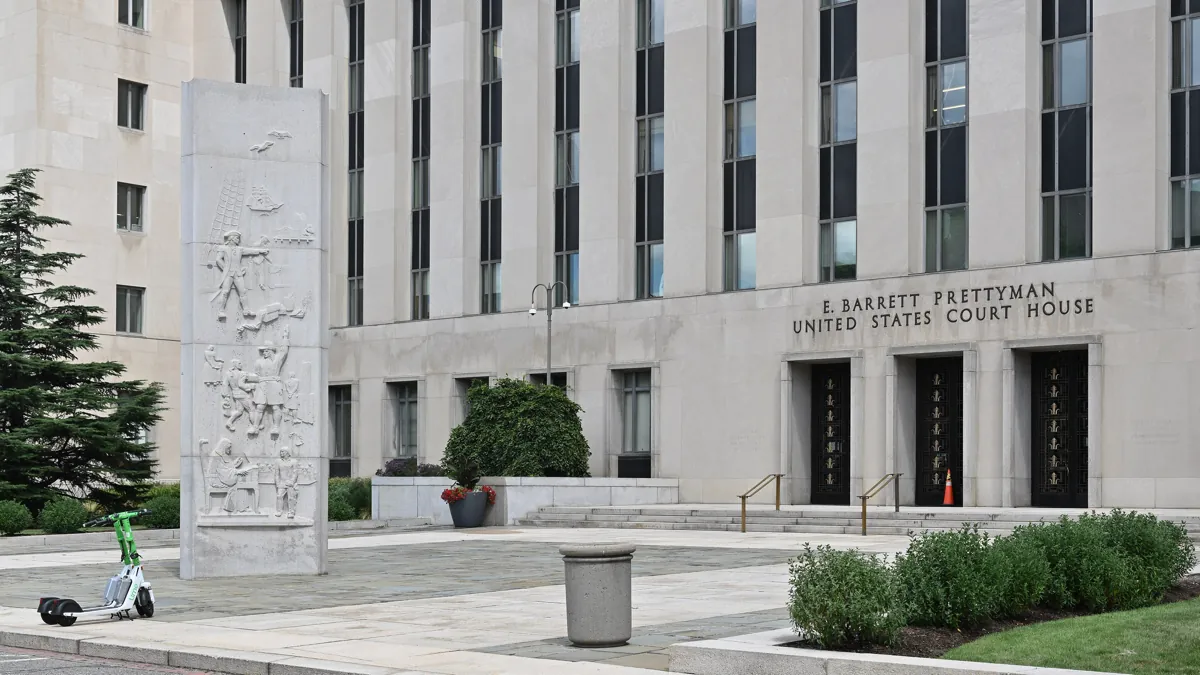
Katsas's opinion rests on three points from the record. First, Anthropic shapes how Claude behaves through training, and it can add restrictions with each new model version it delivers. Second, "on more than one occasion, these restrictions have stopped Claude from performing tasks requested by government users," including refusals of Centers for Disease Control and Prevention research queries on infectious disease. Third, an Anthropic executive questioned a contractor's use of Claude in an overseas military operation, which the department says left it unsure the model would perform as needed.
The majority read the statute's word "manipulate" broadly, so no bad motive is required. On due process, it found the department promptly explained its reasons and gave Anthropic a fair chance to contest them. On the First Amendment, it concluded the exclusion followed Anthropic's refusal of a contract term the department deemed essential, not its advocacy for AI regulation. "The nub of this dispute was contractual," Katsas wrote, adding that "it is the President and the Secretary of War who must determine how best to balance the competing risks."
Emil Michael, the department's under secretary for research and engineering, welcomed the ruling, writing that "the hammer of justice has smashed" Anthropic's arguments, according to Breaking Defense.
What the dissent argued
Henderson read "manipulate" in context, next to words like "sabotage" and "maliciously," as covering only intentionally subversive or deceptive acts. She pointed to the law's origins in intelligence warnings about hostile nation-states slipping compromised products into government systems.
Under the majority's reading, she warned, the next AI vendor told to accept the department's terms would face a choice: agree or risk being designated a national-security threat. "I cannot agree that this is the scenario the Congress had in mind," she wrote, describing Anthropic's conduct as "a contractor's honest and upfront enforcement of restrictions" the government disfavors.
How this squares with the California ruling
On August 27, U.S. District Judge Rita Lin in the Northern District of California set aside the department's designation of Anthropic under a separate law, 10 U.S.C. 3252. Nextgov reported that she found the measures "illegal and baseless" and a violation of Anthropic's First and Fifth Amendment rights. TechCrunch quoted her finding that the government wanted to "make a public example" of the company.
The D.C. Circuit majority took up that ruling directly. It said it had "no quarrel" with the California court's reading of section 3252, which speaks of an "adversary" and requires bad motive, or with its finding that Anthropic had none. But the Anthropic supply chain risk designation at issue here rests on section 4713, which covers "any person," the majority said, and Congress gave the D.C. Circuit exclusive review of those actions. So two courts reached opposite outcomes on two designations under two laws, and each stands for now.
What the Anthropic supply chain risk label means for Claude customers
- Businesses and consumers: the case concerns the Defense Department's supply chain only. Nothing in the opinion restricts using Claude outside defense work, and Anthropic's commercial business continues, including its new compute deal with Akamai and the Claude Opus 5.5 price cut.
- Defense contractors: the March 6 memo bars using Anthropic products in work for the department, with a 180-day outer limit for removal from its systems. This ruling keeps that in force.
- Civilian agencies and their contractors: Business Today reports that the California decision lets civil agencies and other contractors keep working with Anthropic, and that the D.C. ruling does not overturn it.
What happens next: rehearing or the Supreme Court
ABC News reports Anthropic's statement: "We remain confident in our position and are considering all options, including further review." Android Headlines reports that the panel delayed enforcing its order to give Anthropic time to seek rehearing or go to the Supreme Court. As we read the record, that preserves the status quo: the designation itself has applied since March.
The options have set clocks. Federal Rule of Appellate Procedure 40 allows 45 days to petition for panel or en banc rehearing when the United States is a party, which by our count runs to November 9, 2026. Supreme Court Rule 13 allows 90 days to seek review, counted from the judgment or from the denial of a timely rehearing petition. Both kinds of review are discretionary.
Bottom line
If you use Claude for work that isn't for the Defense Department, this ruling changes nothing you can point to in the opinion. If you're a defense contractor, the exclusion stays, and a reversal would take the full D.C. Circuit or the Supreme Court. The Anthropic Pentagon fight now turns on procedure: watch for Anthropic's filing by early November, and for any appeal of the California ruling. More AI coverage is on our AI hub.
FAQ
Can businesses still use Claude after the ruling?
Yes, as far as the opinion goes. The case concerns the Defense Department's supply chain and contractors' work for the department. The opinion doesn't restrict commercial or consumer use outside defense work.
What does a supply chain risk designation do?
Under 41 U.S.C. 4713, it lets an agency exclude a supplier's technology from its systems and from contractors' work for it. Here, the department's March 6 memo ordered Anthropic products removed within 180 days and barred contractors from using them on department work.
Why did two courts reach different results?
They reviewed different designations under different laws. The California court set aside one under 10 U.S.C. 3252, which the D.C. Circuit said requires bad motive by an adversary. The D.C. Circuit upheld one under section 4713, which it read to cover "any person" without a bad-motive requirement.
Can Anthropic take the case to the Supreme Court?
Yes. It can petition within 90 days of the judgment, or of a denial of rehearing if it asks the D.C. Circuit first. The Supreme Court chooses which cases it hears.