Flock license plate search was unconstitutional, judge rules
A federal judge ruled a warrantless Flock license plate search broke the Fourth Amendment. What she held, what it changes for drivers, and what comes next.
Source-based. Written from the documents, reporting and reviews linked in the text. Nothing here was tested hands-on by The Ruling Desk. How we work
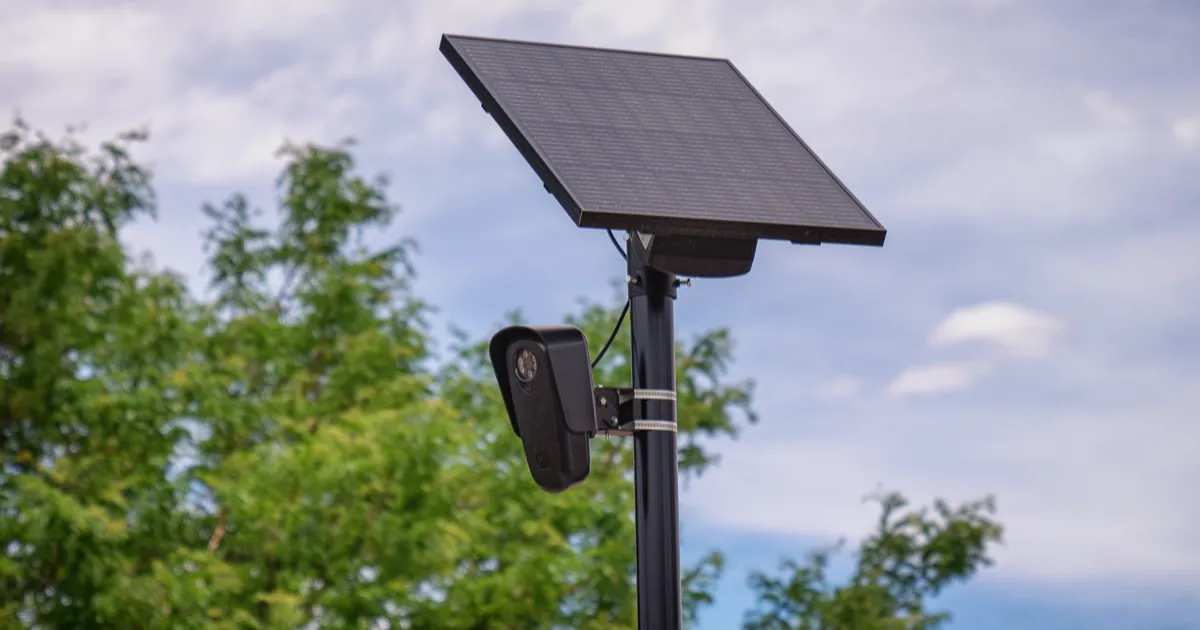
A federal judge in Oklahoma has ruled that a deputy's warrantless Flock license plate search violated the Fourth Amendment. In an opinion filed on October 1, 2026, U.S. District Judge Sara Hill held that pulling a month of a driver's location history from license plate readers, with no warrant and no reason beyond an out-of-state plate, was a search the Constitution doesn't allow, and she threw out the evidence that followed.
Key takeaways
- The ruling covers one case. It is a district court suppression order in United States v. Kyle (N.D. Okla.), not binding precedent for other courts, and the opinion itself says nearly every court to look at the question has ruled the other way.
- The judge found the Flock query was a Fourth Amendment search because it returned more than 50 sightings across several states over a month, which she tied to Supreme Court cases protecting "the whole of their physical movements."
- She suppressed the evidence on a second, separate ground too: the deputy kept the driver detained without reasonable suspicion after the traffic stop ended.
- Flock, which was not a party, told 404 Media it expects the ruling to be appealed and overturned. Prosecutors have 30 days from the order to appeal.
- In Congress, Sen. Bernie Sanders and two colleagues announced the Ban Flock Act on October 2, which would bar federal agencies from using license plate readers. It is a proposal, not law.
Why the Flock license plate search was ruled unconstitutional
According to the opinion, a Tulsa County deputy sheriff parked beside a highway one evening and saw a Mazda SUV with a California plate. The camera on his patrol car logged the plate, and he followed the car "for no apparent reason other than the fact that it had a California license plate." He also queried Flock. At that point, the judge found, a California plate was all he knew.
The query showed a short trip from Locust Grove, Oklahoma, toward the California and Arizona border, with the car heading back toward Missouri. The deputy later stopped the car for following another vehicle too closely, which the judge found was a lawful reason to stop it. After he returned the driver's license and gave her a warning, he asked to search the car, was refused, detained her and ran a drug dog. The search that followed led to her arrest. 404 Media reports that officers found 91 pounds of methamphetamine; the opinion doesn't state an amount.
On the license plate readers, Judge Hill wrote that the deputy "had access to an entire month's worth of location data" tied to the plate, including "more than fifty sightings across multiple states." Because the network logs every passing car and serves the data up on demand, she called it "a type of indiscriminate mass surveillance." She concluded the search intruded on the driver's "reasonable expectation of privacy in the whole of her physical movements," lacked probable cause and a warrant, and so violated the Fourth Amendment. Everything obtained after the query began was suppressed as "fruit of the poisonous tree."
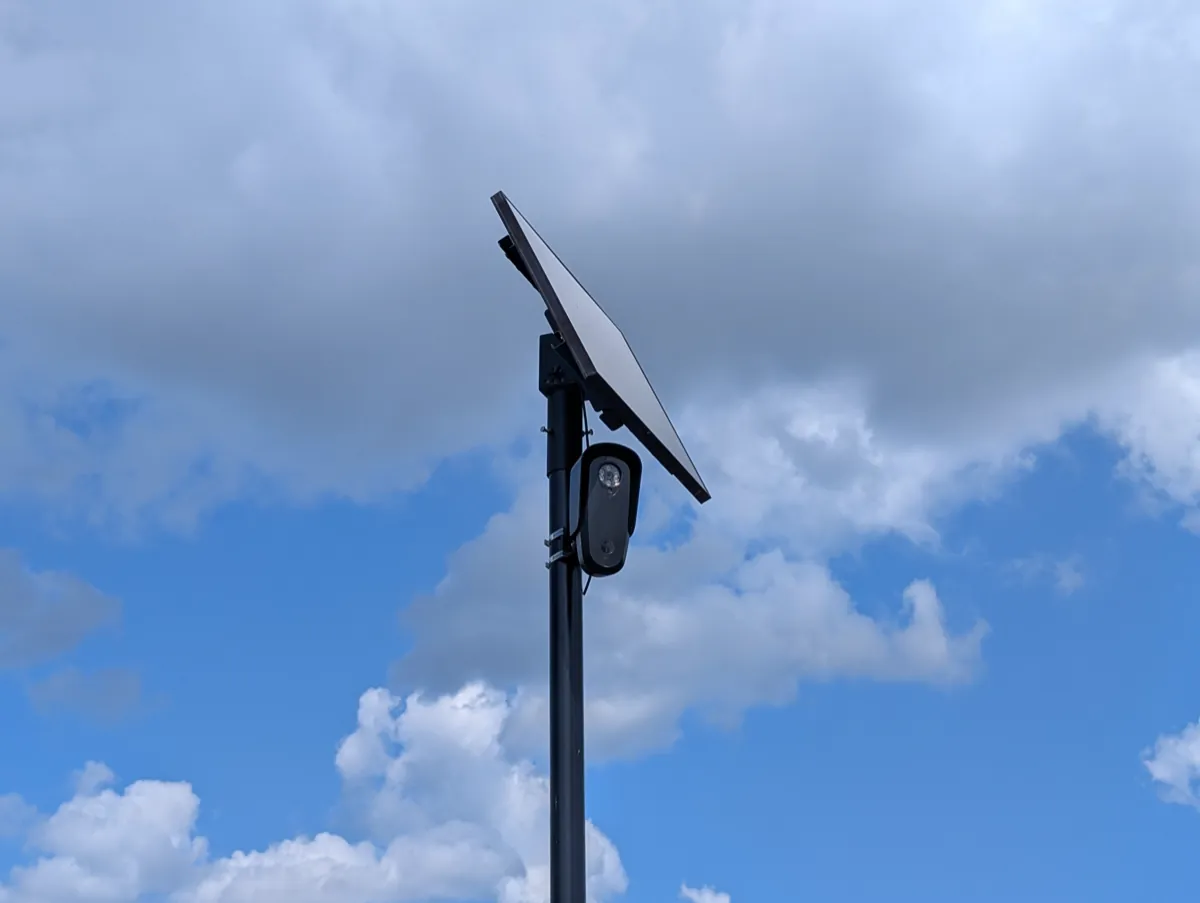
Why a public road still counted as private
The government's main argument was that plates are in plain view on public roads, so drivers have no privacy in them. Courts have long leaned on United States v. Knotts, the 1983 case that said a person driving on public roads has no reasonable expectation of privacy in "his movements from one place to another."
Judge Hill read Knotts in its context: police there followed one car with a radio beeper, and the Court left the door open for "dragnet type" surveillance if it ever arrived. More than 40 years later, she wrote, the technology "appears to be approaching" exactly that. She leaned on two later Supreme Court rulings: Carpenter v. United States (2018), which made police access to cell-site location records a search, and Chatrie v. United States, decided June 29, 2026, which held that police searched when they accessed Google Location History data.
The judge was careful about the limits. She said readers are less precise than phone location data, and that a dedicated team of officers could possibly follow one car for a month without breaking the Constitution. Her problem was scale: every car is logged, all the time, before anyone suspects anything.
What it changes for drivers and police
For now, not much outside this courtroom. The opinion notes that neither the Supreme Court nor the Tenth Circuit has decided whether using license plate readers is a search, and it lists three Oklahoma federal decisions from 2025 and 2026, one from the same district, that said it isn't. Other judges are free to keep ruling that way.
What changes is the argument. As far as we can tell from the order, the reasoning fits any query that pulls weeks of history from a camera network, not only Flock's, since the deputy also had a second reader system. Defense lawyers now have a written federal opinion to cite, and 404 Media reports that Flock's system already sees more than 100,000 warrantless searches a month, based on audit logs it reviewed. Nothing in the ruling turns off cameras or deletes data.
What happens next
The next step is an appeal. Federal law lets prosecutors appeal a suppression order to the court of appeals within 30 days, which here means by October 31, 2026. As of October 4, we found no public appeal filing. A Flock spokesperson told 404 Media that "Flock was not a party to this case" and that the ruling "goes against the overwhelming weight of authority." Because the judge also suppressed the evidence over the extended stop, we think prosecutors would need to overturn both grounds to use it at trial.
In Washington, Sanders, Sen. Jeff Merkley and Rep. Alexandria Ocasio-Cortez announced the Ban Flock Act on October 2. UPI reports it would bar federal agencies, officials and anyone acting for them from acquiring, accessing or using license plate readers or captured plate data, and would block grant money for state and local contracts involving the technology. It still has to pass both chambers. You can follow more of our privacy coverage and the rest of the tech desk.
Bottom line
One federal judge has held that a warrantless Flock license plate search was an unconstitutional search under the Fourth Amendment, because it handed a deputy a month of a driver's travels with nothing to go on but a California plate. It binds no other court, most courts have disagreed, and an appeal looks likely. Watch for a notice of appeal by October 31 and whether the Ban Flock Act gets a hearing.
FAQ
Is Flock now illegal to use without a warrant?
No. The order applies to this case only. Other federal courts, including three in Oklahoma, have ruled that license plate reader searches are not Fourth Amendment searches, and police elsewhere can keep using Flock under their current rules unless an appeals court or the Supreme Court decides otherwise.
Why did the judge call Flock mass surveillance?
The opinion says the system logs every vehicle that passes any connected camera, at all times, and gives that history to police on demand. Judge Hill said that was "a type of indiscriminate mass surveillance" because it isn't aimed at one suspect, unlike the tracking in Carpenter.
Has the Ban Flock Act passed?
No. Sanders, Merkley and Ocasio-Cortez announced it on October 2, 2026. It would need to pass the House and the Senate and be signed into law before it changes anything for federal agencies.