Newsom vetoes SB 1130 smart glasses bill: what it means
Newsom vetoed SB 1130, California's smart glasses bill, on September 30. What it asked of wearers and makers, why he refused, and what law still protects you.
Source-based. Written from the documents, reporting and reviews linked in the text. Nothing here was tested hands-on by The Ruling Desk. How we work
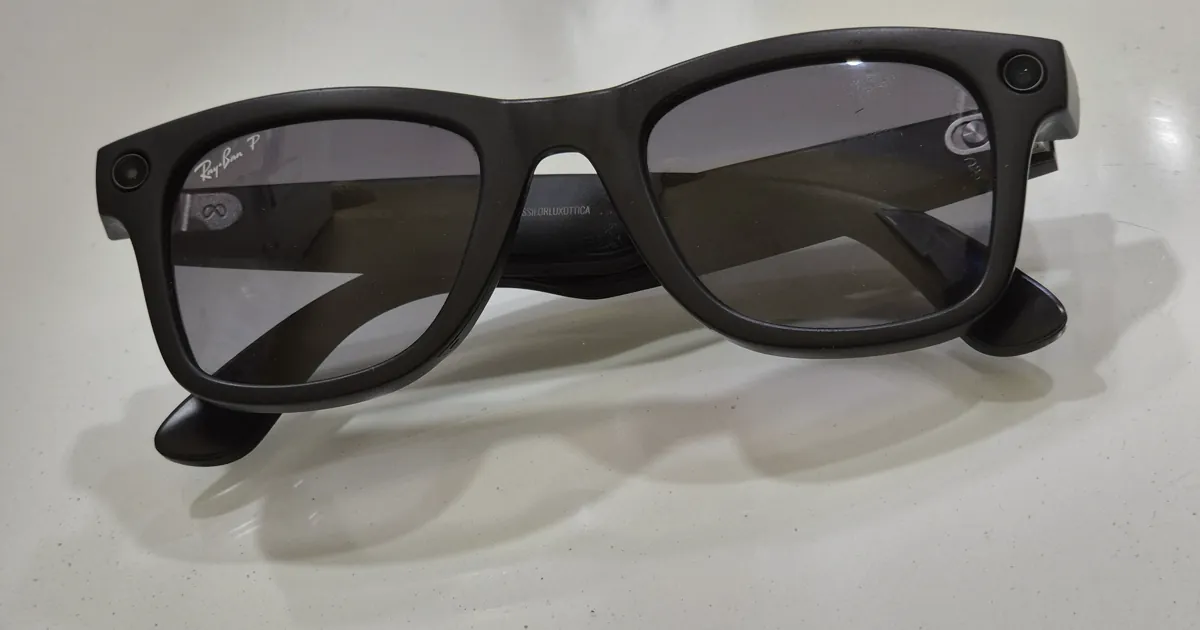
California's smart glasses bill is dead for this session. Governor Gavin Newsom vetoed SB 1130 on September 30, 2026, a bill that would have made it a misdemeanor to record people with wearable cameras in private areas of businesses and would have required a visible recording indicator on every such device sold in the state from 2028. Here is what the bill asked of wearers and of makers, why Newsom said no, and which California laws still apply when someone points a pair of camera glasses at you.
Key takeaways
- Vetoed, not signed: Newsom returned SB 1130 without his signature in a veto message dated September 30, 2026. The bill had passed the Senate 30 to 8 and the Assembly 57 to 14.
- For wearers: recording someone with a wearable device in a private area of a business, without their explicit consent, would have meant a fine of up to $1,500 per violation, up to a year in county jail, or both.
- For makers: from January 1, 2028, no wearable recording device without a prominent light, sound or other indicator, and no selling, or buying, gear built to disable one. Knowing violations carried civil penalties of up to $2,500 each.
- His reasons: the definition of a wearable recording device was too broad (it could catch some smartwatches), and existing law already makes covert recording in private places a crime.
- Nothing changes for Ray-Ban Meta owners today. Older privacy laws still apply, and Meta's own capture light rules are a company policy, not a state requirement.
What the smart glasses bill would have required
SB 1130, by state Sen. Eloise Gómez Reyes, a Democrat from Colton, had two halves. The enrolled bill text aimed one at the people wearing the devices and one at the companies selling them.
For people wearing them, a new Penal Code section 632.8 would have barred operating a wearable recording device to capture sound or video of anyone "in any area within a place of business where the person has a reasonable expectation of privacy" without that person's explicit consent. Disabling a device's recording indicator would also have been an offense. The penalty: a fine of up to $1,500 per violation, up to one year in county jail, or both.
For makers and sellers, new Business and Professions Code sections would have banned manufacturing, selling or offering in California any wearable recording device without "a light, sound, or other indicator" prominent enough that a reasonable person nearby would notice it, starting January 1, 2028. The same chapter banned selling technology designed or marketed mainly to disable those indicators, and banned buying it. A knowing violation carried a civil penalty of up to $2,500 per violation.
The bill defined a wearable recording device broadly: anything designed to be worn on or attached to the body that can record or transmit sound or video. It carved out police body cameras, headsets an employer issues for work, and ordinary wireless headphones.
Why Newsom vetoed it, in his words
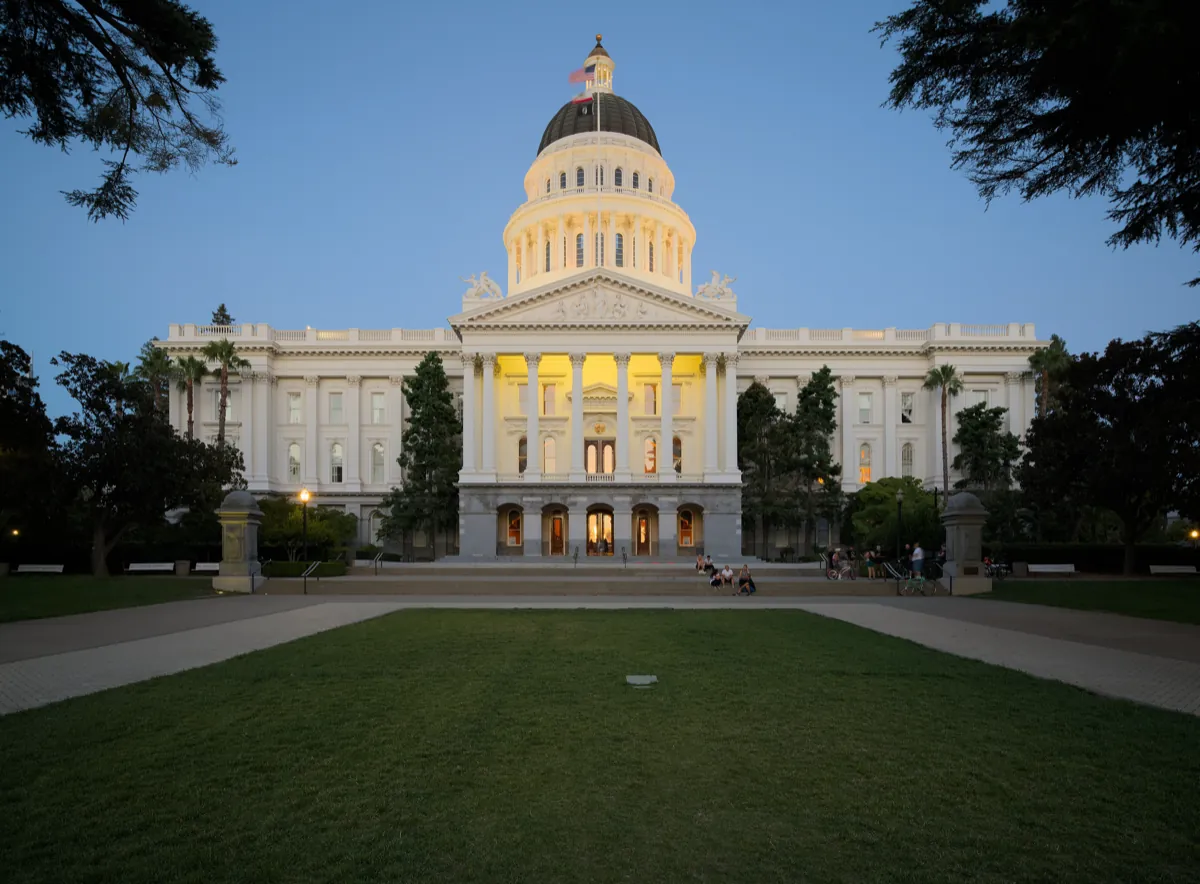
The veto message does not dismiss the problem. Newsom wrote that reports of "disturbing, invasive, and potentially dangerous behavior" with camera-equipped wearables "demand a legislative response," and that he supports the author's attempt to meet it.
He gave two reasons for refusing anyway. First, he said the bill "defines several terms too broadly or imprecisely," and that its device definition "could include certain smartwatches or other worn devices widely used in public spaces and capable of recording," which "could lead to significant confusion and unintended consequences." Second, he wrote that existing law "already makes it a crime" to record a person with an electronic device anywhere they have a reasonable expectation of privacy, and to record confidential communications without consent.
The bill had support and opposition outside the Capitol. According to the Associated Press report, Consumer Reports pointed to cases including a woman secretly filmed at a gym and a waxing appointment where the technician wore smart glasses. TechNet, a tech industry group, opposed the bill, with executive director Robert Boykin saying California "already has extensive laws governing unlawful recording." Gómez Reyes told the AP the bill was meant to make clear that existing protections cover smart glasses and to make recording easier to detect.
Which California laws already cover covert recording
Newsom's second point rests on two existing Penal Code sections.
- Penal Code 647(j) makes it disorderly conduct, a misdemeanor, to view or record the inside of a bathroom, changing room, fitting room, tanning booth or any other area where the occupant has a reasonable expectation of privacy, with a camera, phone or other electronic device, with the intent to invade someone's privacy.
- Penal Code 632 bars recording a confidential communication without the consent of all parties, with fines of up to $2,500 per violation (up to $10,000 for repeat offenders) and possible jail time. It does not cover conversations where people could reasonably expect to be overheard or recorded, such as a public gathering.
Reading the texts side by side, SB 1130 would have changed two things the veto message does not address. Its offense did not require proving an intent to invade privacy, which 647(j) does, and its indicator rules would have been the first state requirement on the hardware itself. That is our reading of the bills, not something the governor or the author said.
What it means if you wear smart glasses, or get recorded by them
If you own Ray-Ban Meta glasses, nothing changes. Recording someone in a changing room or a doctor's exam room was already illegal in California before this bill, and it still is. The AP reports Meta sold more than 7 million pairs of its Ray-Ban glasses last year, and Meta told the AP it is committed "to continuing prioritizing privacy" as it builds them.
The indicator light stays voluntary. Meta's glasses already have a capture LED, and in September Meta said the camera now stops recording if the LED is covered mid-capture, according to CBS News. Without SB 1130, that is company policy, not a California rule, and neither of the existing laws above bans selling add-ons that hide such lights. Our Ray-Ban Meta Gen 3 vs Gen 2 comparison covers what the current models do.
More glasses are coming. Samsung's first smart glasses, with a camera and no display, are due in November, according to a Korea Herald report summarized by 9to5Google that cites a Samsung official. We cover what is known in our piece on Samsung's November smart glasses launch. The veto means they arrive in California under the same rules as Meta's.
What happens next
The bill history lists the veto, with consideration of it pending in the Senate. Overriding it takes a two-thirds vote in both houses; on paper, the original floor votes cleared that bar. None of the coverage we reviewed, as of October 2, 2026, mentions an override attempt. A narrower bill in the next session, with a device definition that leaves out smartwatches, is the path the veto message implies, though that is our inference.
The veto came the same day Newsom signed a batch of AI and workplace bills, including the California AI firing law, so the state is not stepping back from tech regulation in general.
Bottom line
With the smart glasses bill vetoed, California will not add glasses-specific penalties or a mandatory recording light, at least not this year. If you wear camera glasses, the old rules still apply: no recording in bathrooms, changing rooms or other private spaces, and no recording private conversations without everyone's consent. If you worry about someone using glasses to secretly record you, the capture light on Meta's glasses is your main signal, and it rests on Meta's design choices rather than state law. Watch for a rewritten bill once the new session opens.
FAQ
Is it illegal to record with smart glasses in California?
Wearing or recording with them in public is generally not a crime under these laws. Recording someone in a bathroom, changing room or other place where they expect privacy, with intent to invade it, is a misdemeanor under Penal Code 647(j), and recording a confidential conversation without everyone's consent is a crime under Penal Code 632. The veto left both in place.
What was SB 1130?
A 2026 California bill that would have made it a misdemeanor to record people with wearable devices in private areas of businesses without explicit consent, and would have required a visible or audible recording indicator on those devices sold in California from January 1, 2028. Newsom vetoed it on September 30, 2026.
Do Ray-Ban Meta glasses show when they are recording?
Yes. They have a capture LED on the front, and Meta says recording now stops if that light is covered during capture. That is Meta's design, not a legal requirement, since SB 1130 did not become law.