Samsung smart glasses reportedly launch in November
A report says Samsung smart glasses go on sale in November. What Samsung has confirmed, what is still rumor, and how they compare with Ray-Ban Meta on paper.
Source-based. Written from the documents, reporting and reviews linked in the text. Nothing here was tested hands-on by The Ruling Desk. How we work
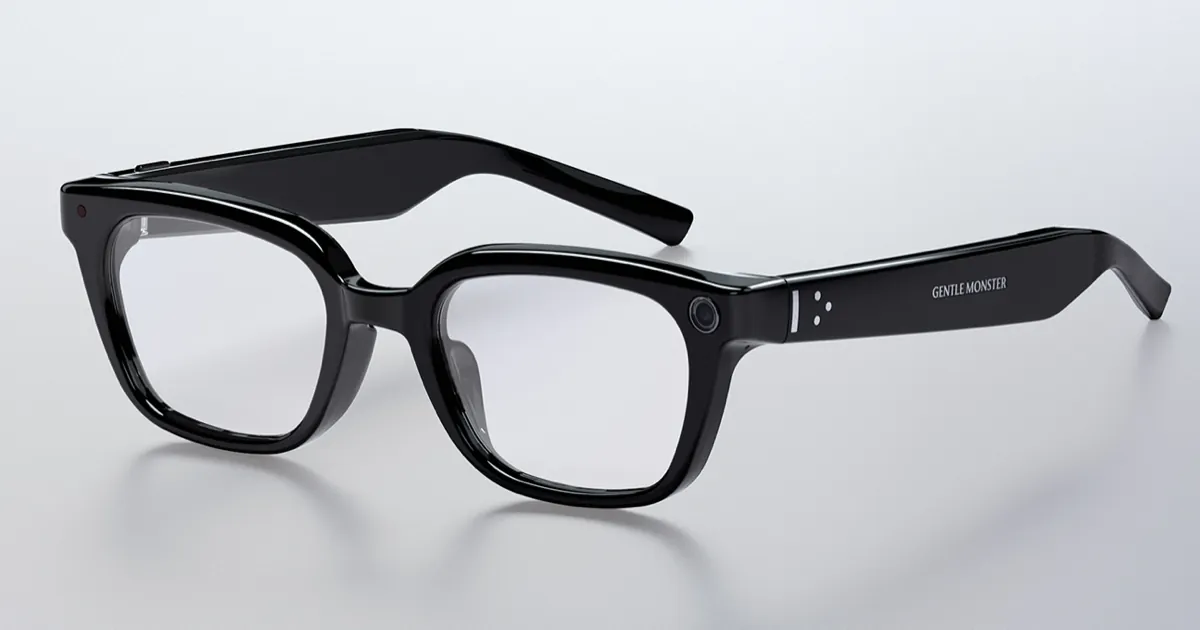
Samsung's first smart glasses will go on sale in November, according to a Samsung Electronics official who spoke to The Korea Herald on October 1, 2026. The official wasn't named, and Samsung hasn't put the date in a press release. SamMobile and Android Authority picked up the report, with SamMobile adding a US price range of $349 to $499. Here is what Samsung has actually said, what is still only reported, and how the glasses look next to Ray-Ban Meta.
Key takeaways
- On the record: Samsung showed its "intelligent eyewear" at Galaxy Unpacked in London on July 22, built with Google on Android XR, with Gemini, a camera and up to 9 hours of battery. It gave no date and no price then.
- Reported: the November launch comes from one unnamed Samsung official quoted by The Korea Herald. No exact day has been given.
- The $349 to $499 price is not confirmed by Samsung as of October 2, 2026. The Korea Herald itself writes that pricing has not been announced.
- Privacy design: one light faces out and one faces the wearer, and Samsung says the camera turns off if the outer light is covered.
- Against Ray-Ban Meta Gen 3 ($449, 9 hours): similar battery on paper, and a reported weight target up to 5 g lighter.
Samsung smart glasses: what's confirmed
These are Samsung's first Android XR glasses. Everything in this section comes from Samsung's own Unpacked announcement of July 22, 2026, unless noted.
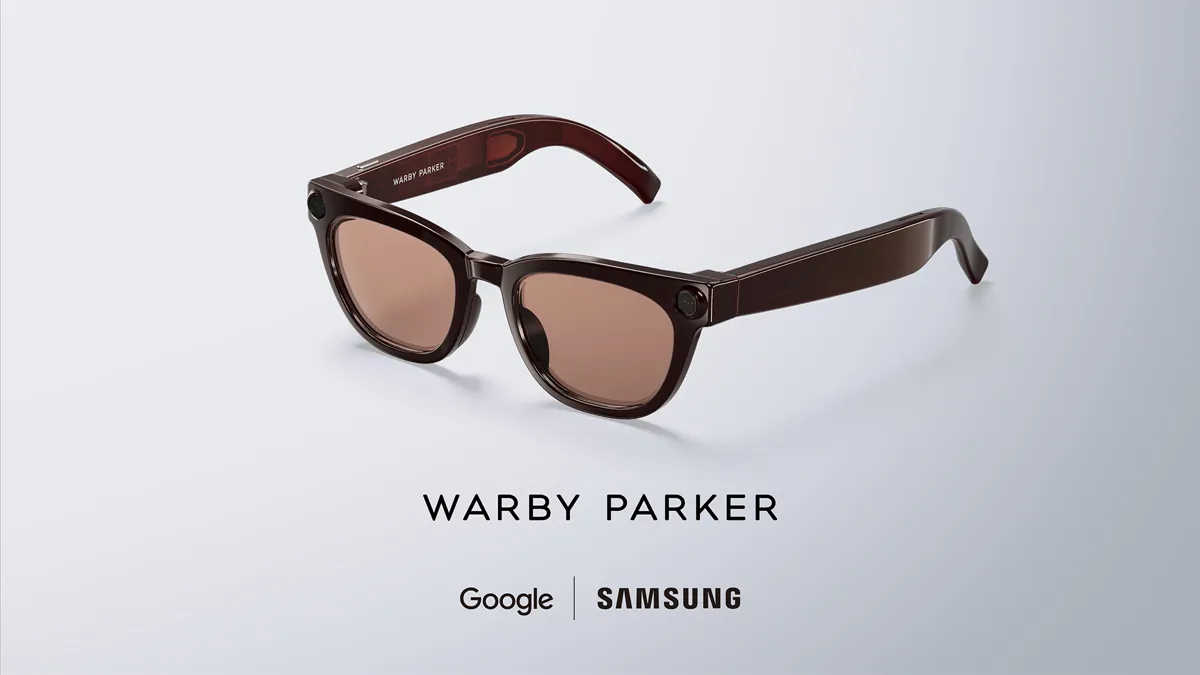
- Partners: Google for the software (Android XR, the version of Android for headsets and glasses, plus Gemini), and the eyewear brands Gentle Monster and Warby Parker for the frames.
- Two designs so far: a slim black Gentle Monster frame and a brown Warby Parker frame with an upswept brow line.
- Hardware: a built-in camera, open-ear audio and Qualcomm's Snapdragon AR1 Gen 1 chip.
- Battery: Samsung rates the glasses at up to nine hours per charge, with up to seven more full charges from the case.
- Features: summaries of long messages, key information read aloud, live translation, directions, capturing what you see into Samsung Notes, and sharing your point of view on a call.
- Phone and watch: Samsung's fine print says features may need a compatible Galaxy device, and gesture control only works through the Galaxy Watch9.
Google's Sameer Samat said in the same release that the companies would bring the glasses to people "soon". We found no later official statement on timing.
What is still unconfirmed: date, price and weight
The month. The November timing rests on The Korea Herald's unnamed official. We found no Samsung newsroom post or named executive confirming it as of October 2, and no market list.
The price. SamMobile gives a US range of $349 to $499 and credits The Korea Herald, but the Herald article we read says pricing has yet to be announced. Treat the range as an estimate until Samsung publishes one.
The weight. The Korea Herald says local Korean media reported a target of up to 5 grams below Meta's 51-gram base Ray-Ban Meta, and that Samsung hasn't disclosed a final weight.
No display. The Herald and Android Authority both describe the glasses as having no screen in the lens, with Gemini's heavier work done on a connected Galaxy phone. Samsung's release doesn't list a display either.
How it compares with Ray-Ban Meta on paper
Nobody outside Samsung has published a full review yet, and this site hasn't tried either pair. US figures as of October 2, 2026.
| Samsung intelligent eyewear | Ray-Ban Meta Gen 3 | |
|---|---|---|
| Price | Not announced; $349 to $499 reported | From $449 (Meta) |
| Status | November, reported | On sale since September 23 |
| Battery | Up to 9 hours, plus 7 charges in the case (Samsung) | Up to 9 hours (Meta) |
| Weight | Target up to 5 g under Ray-Ban Meta (reported) | 51.5 g, Wayfarer |
| Assistant | Gemini, on Android XR | Meta AI |
| Recording light | Front and inner LEDs; camera off if the front one is covered | LED capture light |
Ray-Ban Meta figures come from Meta's Connect announcement and the Wayfarer weight from Engadget's comparison. Our Ray-Ban Meta Gen 3 vs Gen 2 breakdown has the rest of Meta's spec sheet, and our Meta Connect 2026 recap covers the whole lineup Samsung is entering against.
If the reported price holds, the cheapest pair of Samsung smart glasses would undercut Gen 3 by $100 and the top of the range would cost $50 more.
Two recording lights and a camera that switches off
Samsung explained the privacy design on its Unpacked demo floor, as 9to5Google reported on July 23. A light sits on the opposite side of the frame from the camera, facing outward, with a second one on the inside so the wearer can see it too. If the outward light is blocked, the glasses detect it and disable the camera. 9to5Google said Samsung hadn't answered whether the camera also stops working if the light is broken.
Meta's capture light works on the same idea. TechRadar's Jacob Krol wrote after trying Gen 3 that Meta has added protections against people who cover or disable it.
Why the privacy design matters now
Two days ago, California's governor vetoed SB 1130, which would have required a visible recording indicator on wearable cameras sold in the state from 2028 and banned gear made to defeat one. Our explainer on the Newsom veto has the details. With the bill dead, a light that can't simply be taped over is Samsung's own choice, not a legal requirement in California.
Regulators in Samsung's home market are watching too. The Korea Herald reports that Korea's Personal Information Protection Commission met Samsung in late July, and the Ministry of Science and ICT began drafting smart glasses guidelines in September.
Bottom line
Samsung smart glasses are real and have a confirmed design, battery rating and Gemini software. The November launch comes from one unnamed official, and the $349 to $499 price is not confirmed by Samsung as of October 2, 2026, so don't plan a purchase around either yet. If you're choosing between this and a Ray-Ban Meta pair, wait for Samsung's price, the final weight, the launch markets and the first reviews that test the privacy light.
FAQ
When do Samsung's smart glasses come out?
A Samsung official told The Korea Herald they launch in November 2026. Samsung hasn't given an exact date or said which countries get them first.
How much will Samsung's smart glasses cost?
No Samsung smart glasses price has been announced. SamMobile reports a US range of $349 to $499, but The Korea Herald says pricing has yet to be announced.
Do Samsung's smart glasses have a display?
No. Samsung's announcement doesn't list one, and The Korea Herald and Android Authority both describe them as screenless. You hear Gemini's answers through the speakers.
Do you need a Samsung phone?
Probably. Samsung's fine print says features may require a compatible Galaxy device, and gesture control only works with the Galaxy Watch9. Samsung hasn't published a full compatibility list.