DGX Spark 64GB costs $4,999 as the 128GB hits $6,950
The DGX Spark 64GB ships October 23 for $4,999 with half the memory. What you give up, how two units pool to 128GB, and why memory makes it this pricey.
Source-based. Written from the documents, reporting and reviews linked in the text. Nothing here was tested hands-on by The Ruling Desk. How we work
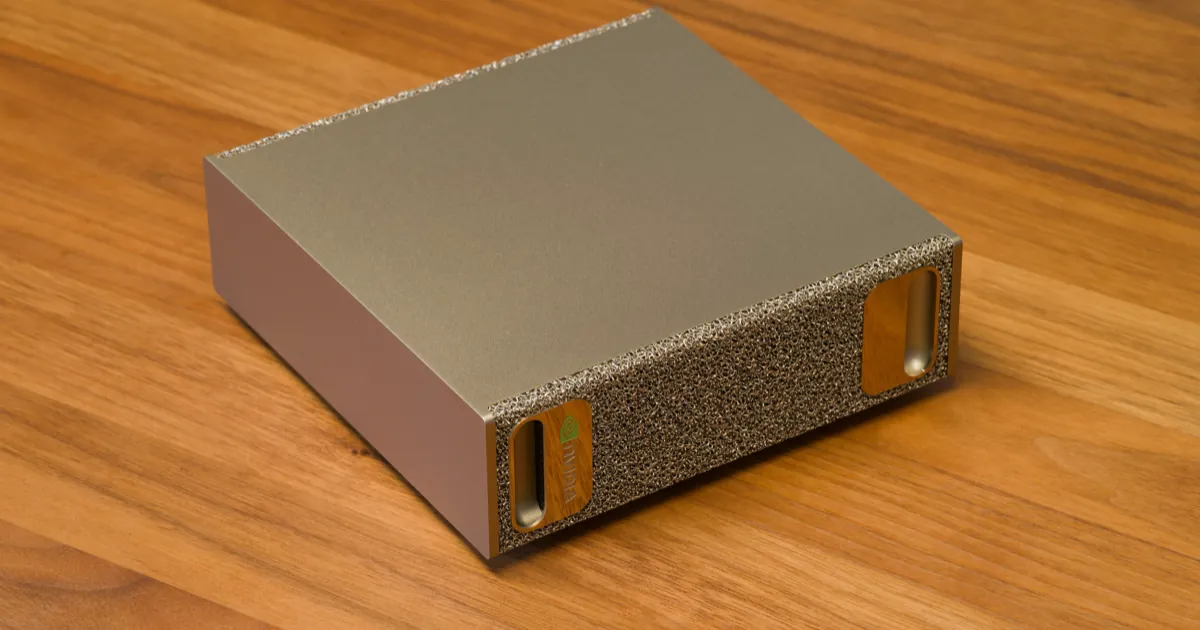
Nvidia's DGX Spark 64GB, a version of its desktop AI computer with half the memory of the original, goes on sale Friday, October 23, starting at $4,999 in the US. That is $1,000 more than the 128GB model cost when it launched a year ago, and the 128GB model itself now lists at $6,950. Here's who the smaller box is for, what it gives up, how two of them can act as one, and why a cut-down Spark costs this much.
Key takeaways
- Price and date: Nvidia says the 64GB DGX Spark starts at $4,999 and ships October 23, sold only by partners: Acer, ASUS, Dell, Gigabyte, HP and MSI.
- Same chip, half the memory: it keeps the GB10 Grace Blackwell Superchip and Nvidia's software, and Nvidia rates a single unit for models up to 100 billion parameters, half the 128GB model's 200 billion.
- Two can pool to 128GB: Nvidia's new Sync Cluster Assistant links two 64GB units with one cable for models up to 200 billion parameters, but that costs about $10,000 against $6,950 for one 128GB Spark.
- Memory is the likely reason: the 128GB Spark has gone from $3,999 to $6,950 in a year, according to The Register. Nvidia's announcement doesn't explain the pricing; the memory shortage is the outlets' explanation and ours.
What changed
Nvidia announced the new configuration in a blog post on October 2, 2026. The 64GB DGX Spark keeps the GB10 Grace Blackwell Superchip, DGX OS and the full Nvidia AI software stack, "same as the 128GB model," in Nvidia's words. It is available "exclusively from manufacturer partners," so there is no Nvidia-built version of this one.
Nvidia's DGX Spark product page now lists the 64GB option next to the original's 128GB of unified memory, the pool the CPU and GPU share. The rest of the spec sheet is the same machine: up to 1 petaflop of FP4 AI performance, 273 GB/s of memory bandwidth and a 150 by 150 mm footprint.
What you give up with half the memory
On a box like this, memory sets the size of the AI model you can load. Halving it halves the ceiling: Nvidia says a single 64GB unit handles models up to 100 billion parameters, where its product page rates the 128GB unit at up to 200 billion.
Speed doesn't drop with it. The Register reports that bandwidth stays at 273 GB/s because Nvidia uses lower-capacity LPDDR5x chips rather than fewer of them. The same report says onboard storage is cut in half too, and that Nvidia pitches the 64GB systems at running private AI agents locally on models in the 26 to 35 billion parameter range.
| DGX Spark 64GB | DGX Spark 128GB | Two DGX Spark 64GB | |
|---|---|---|---|
| Unified memory | 64GB | 128GB | 128GB pooled |
| Largest model (Nvidia's figure) | 100 billion parameters | 200 billion parameters | 200 billion parameters |
| US price | From $4,999 | $6,950 (per The Register) | About $10,000 |
The two-unit price is our arithmetic from Nvidia's starting price, before any cable.
How the Sync Cluster Assistant pools two units
The Sync Cluster Assistant is Nvidia's new tool for joining two 64GB Sparks. According to Nvidia's post, you connect them with a QSFP cable (the high-speed networking cable the Spark's ConnectX-7 ports take), and the software detects both units, checks their configuration and sets up the networking itself. The pair then pools its memory to 128GB and can run models up to 200 billion parameters.
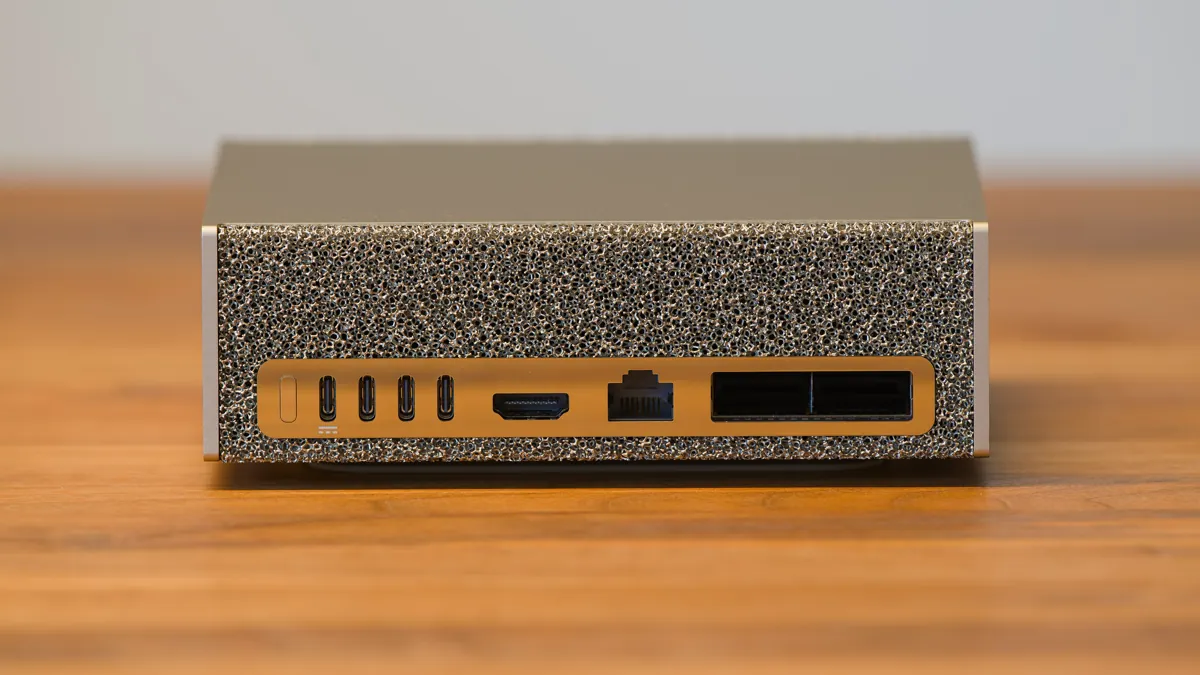
Two boxes also bring two chips. Nvidia says a clustered pair has twice the memory bandwidth of one unit and delivered up to 1.7 times the performance of a single system in its own test. That is Nvidia's benchmark, not an independent one. The Register adds that the ConnectX-7 networking supports clusters of up to four GB10 devices.
Why a smaller box costs what the big one used to
The original 128GB DGX Spark launched in October 2025 at $3,999. It then rose to $4,699, and The Register now puts it at $6,950, an increase of nearly 75 percent in a year. At $4,999, the 64GB model costs 25 percent more than the 128GB one did at launch.
Nvidia's post doesn't mention memory prices. The outlets covering the launch tie the jump to the memory chip shortage: Hardware Busters notes that Micron expects supply to stay tight through 2028. We think that's the most plausible explanation, since AI data centers are buying up the same kinds of memory, as we covered in what Micron's record quarter means for prices. It isn't the only Nvidia product affected: see the Shield TV Pro price increase.
Who the DGX Spark 64GB is for
Nvidia aims the 64GB DGX Spark at developers, researchers and AI enthusiasts who want to run models on their own desk instead of in the cloud. It makes sense if your work fits comfortably under 100 billion parameters, such as the mid-size models Nvidia mentions for local agents, and you want Nvidia's software stack without paying for memory you won't use.
It makes less sense if you already know you need 128GB. One 128GB Spark at $6,950 is about $3,000 cheaper than two 64GB units for the same pooled memory and the same 200 billion parameter ceiling. The pair only wins if you want the extra compute and bandwidth, or if you'd rather buy one box now and a second later.
What happens next
The 64GB systems go on sale October 23 from the six partners. Nvidia also says its Sync Model Launcher arrives at the end of October. Partner prices above the $4,999 starting point, and storage options per model, weren't public in Nvidia's announcement.
Bottom line
The DGX Spark 64GB is a cheaper way into Nvidia's desktop AI platform only relative to today's prices: it costs more than the 128GB model did a year ago. Buy it if your models fit in 64GB. If you need 128GB, one big Spark still beats two small ones on price, and watch whether memory costs push either model higher before October 23.
FAQ
What is the DGX Spark price now?
In the US, the 64GB DGX Spark starts at $4,999 from partner manufacturers, according to Nvidia. The 128GB model is $6,950, according to The Register, up from $3,999 at launch in October 2025.
Can you connect two DGX Spark units?
Yes. Nvidia's Sync Cluster Assistant links two 64GB units with a QSFP cable and pools their memory to 128GB, for models up to 200 billion parameters. Nvidia says the networking setup is automatic.
How big a model can a DGX Spark run?
Nvidia rates a single 64GB unit for models up to 100 billion parameters and a single 128GB unit for up to 200 billion. Two clustered 64GB units also reach 200 billion, by Nvidia's figures.