ChatGPT image generation ads: who sees them and who won't
OpenAI will test ChatGPT image generation ads in the US this month. Who sees them, what advertisers can't see, how to avoid them and why EU rules apply.
Source-based. Written from the documents, reporting and reviews linked in the text. Nothing here was tested hands-on by The Ruling Desk. How we work
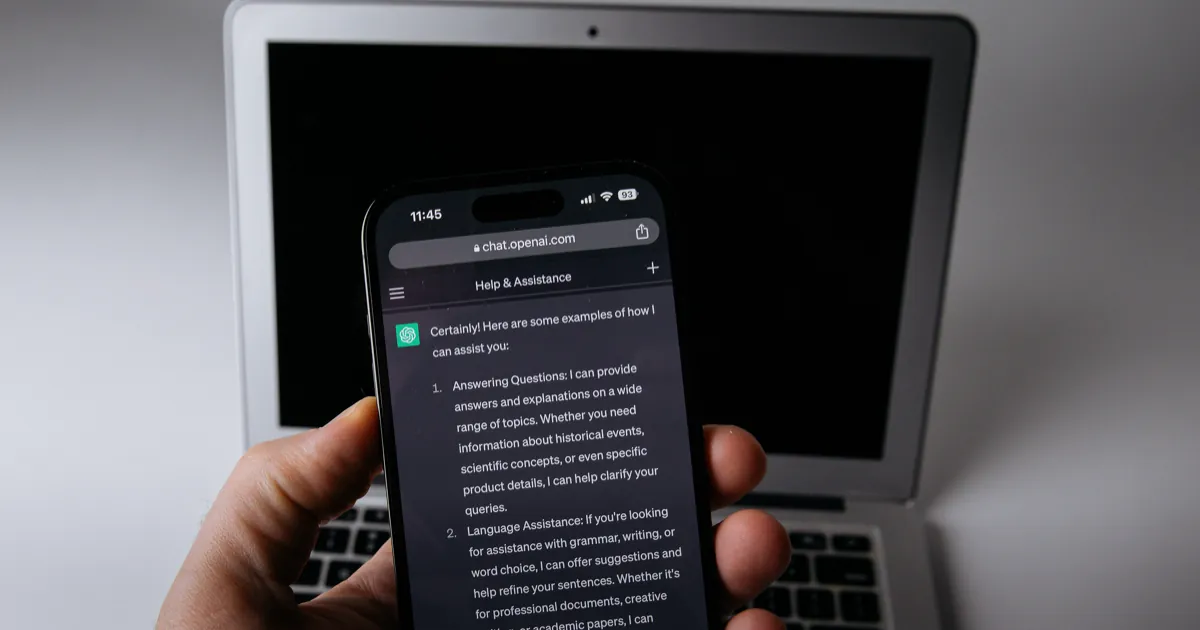
OpenAI will start testing ChatGPT image generation ads later in October 2026, in the United States only and with an initial group of advertisers. The company announced the format on October 5: while ChatGPT draws the picture you asked for, a labeled ad can appear beside it, never inside the image itself. Here is who can see these ads, who can't, what advertisers and their verification partners get to look at, and why the European Union will make ChatGPT's ads public.
Key takeaways
- Who sees them: only the ad-supported Free and Go plans, in the US, during a test that starts later this month with a first group of advertisers. Plus, Pro, Business and Enterprise subscribers get no ads.
- Where they go: next to an image while it generates, labeled and kept separate from it. OpenAI says ads don't influence ChatGPT's answers.
- Who checks them: DoubleVerify and Integral Ad Science will review brand safety, and OpenAI says they get no access to real conversations.
- Europe: the EU now treats ChatGPT as a very large online search engine, a status that requires a public archive of its ads by early 2027.
What OpenAI is testing
OpenAI's announcement adds a visual ad format to ChatGPT's image generation. As BleepingComputer reports, OpenAI says the ads can show product inspiration, how a product is used or experiences tied to a service, and that they "will be clearly labeled, and remain separate from the image being created." A screenshot in the announcement, described by Search Engine Roundtable, shows an ad loaded under an image that is still 62% done.
OpenAI's pitch to brands is that the format "helps people imagine how products and services could fit into their lives." The company puts ChatGPT's audience at 1.2 billion weekly users, its own figure.
This is not ChatGPT's first ad. OpenAI began showing ads at the end of answers to logged-in adults on Free and Go in the US on February 9, 2026, The Register reported. The new format moves ads into the moment you wait for a picture.
Who sees ChatGPT image generation ads, and who won't
Ads in ChatGPT only run on two plans: Free and Go, the cheaper tier OpenAI launched in the US at US$8 a month, according to Tom's Guide. The same plans just got ChatGPT Finances, so the ad-supported tiers keep gaining features. You won't see ads if:
- you pay for Plus, Pro, Business or Enterprise;
- you are under 18, since OpenAI said in January that ads are for adults only;
- your chat is about health, mental health or politics, topics OpenAI said get no ads;
- you are outside the US, for now, because this visual test is US only.
The test starts with a limited group of advertisers, so most Free and Go users in the US may not see one right away. OpenAI also says it checks whether a conversation is emotionally vulnerable or sensitive before placing an ad, The Next Web reports.
What advertisers and checkers can see
Advertisers don't get your chats, by OpenAI's account. Its privacy policy, as Help Net Security summarized it on August 31, says advertisers get no access to chats, chat history, memories or personal details, only totals such as views and clicks.
DoubleVerify and Integral Ad Science, two companies brands pay to check where their ads run, will evaluate how OpenAI applies its brand safety rules. According to OpenAI, they do that in a controlled setup without access to real conversations.
The other half of the announcement is measurement for advertisers. OpenAI lists Hightouch, Tealium and LiveRamp for connecting advertisers' conversion data, plus attribution tools such as AppsFlyer, Adjust, Branch and Kochava. That data describes what happens on the advertiser's side after an ad; OpenAI hasn't detailed how it is matched to ChatGPT users.
How to avoid the ads
- Pay for a plan without ads: Plus or anything above it removes them. Go does not.
- Decline personalized ads: OpenAI asks before personalized ads begin. Saying no keeps ads based on the current topic only; it does not remove them.
- Skip image generation on Free or Go: this format only appears while an image is being made. Ads after answers still exist.
If you are comparing free tiers, Google is making its own changes: see what changes in Gemini's free tier on October 9.
Why EU rules make ChatGPT ads public
On August 31, 2026, the European Commission designated ChatGPT a very large online search engine under the Digital Services Act, the EU law for big platforms. The Next Web reports ChatGPT had 159.1 million monthly EU users at designation, against a 45 million threshold, and that ChatGPT ads already run on Free and Go in 31 European countries. The Commission gave designated services four months to comply, until January 2027.
Article 39 of the Digital Services Act requires those services to keep a public, searchable ad repository listing every ad they show, for as long as it runs and one year after. Each entry lists the ad's content, who paid for it, when it ran, the main targeting parameters and how many people it reached, broken down by EU country.
The visual format is a US test. If OpenAI brings it to Europe, those ads would land in that archive too. That last point is our reading of the law, not something OpenAI has announced.
Bottom line
If you use ChatGPT Free or Go in the US and make images, expect labeled ChatGPT image generation ads beside some of your pictures once the test reaches you. Paying for Plus or above is the only way to remove ads entirely; declining personalization only changes how they are picked. Watch for OpenAI's European ad archive as the DSA deadline nears in January 2027.
FAQ
Does ChatGPT Go have ads?
Yes. Go, at US$8 a month in the US, is ad-supported like the Free plan. Plus, Pro, Business and Enterprise have no ads.
Will the ad appear inside my generated image?
No. OpenAI says the ad is labeled and kept separate from the image being created, and that ads don't change ChatGPT's answers.
Can advertisers read my ChatGPT conversations?
OpenAI says no: advertisers get no access to chats, memories or personal details, only totals like views and clicks. DoubleVerify and Integral Ad Science check brand safety without seeing real conversations.